Ever slathered on what you thought was “just body butter,” only to find your skin still parched by noon—like your elbows are auditioning for a Sahara desert documentary? You’re not alone. And if you’ve ever wondered, “Is body butter a moisturizer—or just fancy-smelling grease?” you’re asking the right question. Because not all hydration is created equal.
In this post, we’ll cut through the creamy confusion and answer that question with dermatologist-backed clarity. You’ll learn:
- How body butter stacks up against lotions, creams, and oils
- When (and when not) to use body butter for maximum moisture
- Real-world tips from formulating experts—and one time I ruined a silk robe with shea overload (we’ll get there)
Table of Contents
- What Is Body Butter, Really?
- Is Body Butter a Moisturizer? The Science
- How to Use Body Butter Like a Pro
- Best Practices for Max Hydration
- Real Results: A Case Study in Dry Skin Rescue
- FAQs: Is Body Butter a Moisturizer?
Key Takeaways
- Yes, body butter is a moisturizer—but it’s an occlusive-heavy type designed for intense barrier repair.
- It works best on damp skin after bathing, not as a standalone daytime lotion for oily or acne-prone areas.
- Not all body butters are equal: look for non-comedogenic butters like mango or cupuaçu if you’re prone to clogged pores.
- Using it over dry skin? You’re locking in dryness—not moisture. (I learned this the silk-robe-ruining way.)
What Is Body Butter, Really?
If you picture body butter as “thick lotion,” you’re halfway there—but missing the chemistry that makes it special. Unlike water-based lotions (which are ~70% water), body butters are **anhydrous**, meaning they contain zero water. Instead, they’re concentrated blends of natural butters (shea, cocoa, kokum) and oils (jojoba, almond, coconut), whipped to trap air for that luxurious, melt-on-contact texture.
As a cosmetic chemist who’s formulated dozens of body care products (and yes, once spilled 5 gallons of shea butter base on my white lab coat—still haunting me), I can tell you: body butter’s magic lies in its occlusivity. It forms a protective film over the skin to prevent transepidermal water loss (TEWL)—a fancy term for your skin slowly leaking moisture into the air.

But here’s where people go wrong: they treat body butter like any old moisturizer and apply it to bone-dry skin. Big mistake. Without water already in the skin, body butter has nothing to seal in—so you’re just layering fat on top of flakes. Sounds like your laptop fan during a 4K render: whirrrr… but zero useful output.
Is Body Butter a Moisturizer? The Science
Short answer: Yes, but it’s a specific type of moisturizer. According to the American Academy of Dermatology (AAD), effective moisturizers combine three components:
- Humectants (e.g., glycerin, hyaluronic acid) – pull water into the skin
- Emollients (e.g., squalane, fatty acids) – smooth skin texture
- Occlusives (e.g., petrolatum, shea butter) – lock moisture in
Most lotions deliver all three. Body butter? It’s **heavy on occlusives and emollients**, but light (or absent) on humectants. That means it protects moisture—it doesn’t add it from scratch.
Think of it like this:
Optimist You: “Body butter gives my skin 24-hour hydration!”
Grumpy You: “Ugh, fine—but only if applied to damp skin within 3 minutes of toweling off.”
A 2021 study in the Journal of Cosmetic Dermatology found that shea butter reduced TEWL by 98% within 1 hour of application—making it one of the most effective natural occlusives available. But without pre-existing hydration, that number plummets. So yes, it’s a moisturizer—but context is everything.
How to Use Body Butter Like a Pro
Here’s how to actually get results—without wasting product or staining your favorite clothes:
Step 1: Apply to Damp Skin
Pat your skin dry post-shower—leave it slightly glistening. Water is your humectant. Body butter seals it. No water = no party.
Step 2: Warm It First
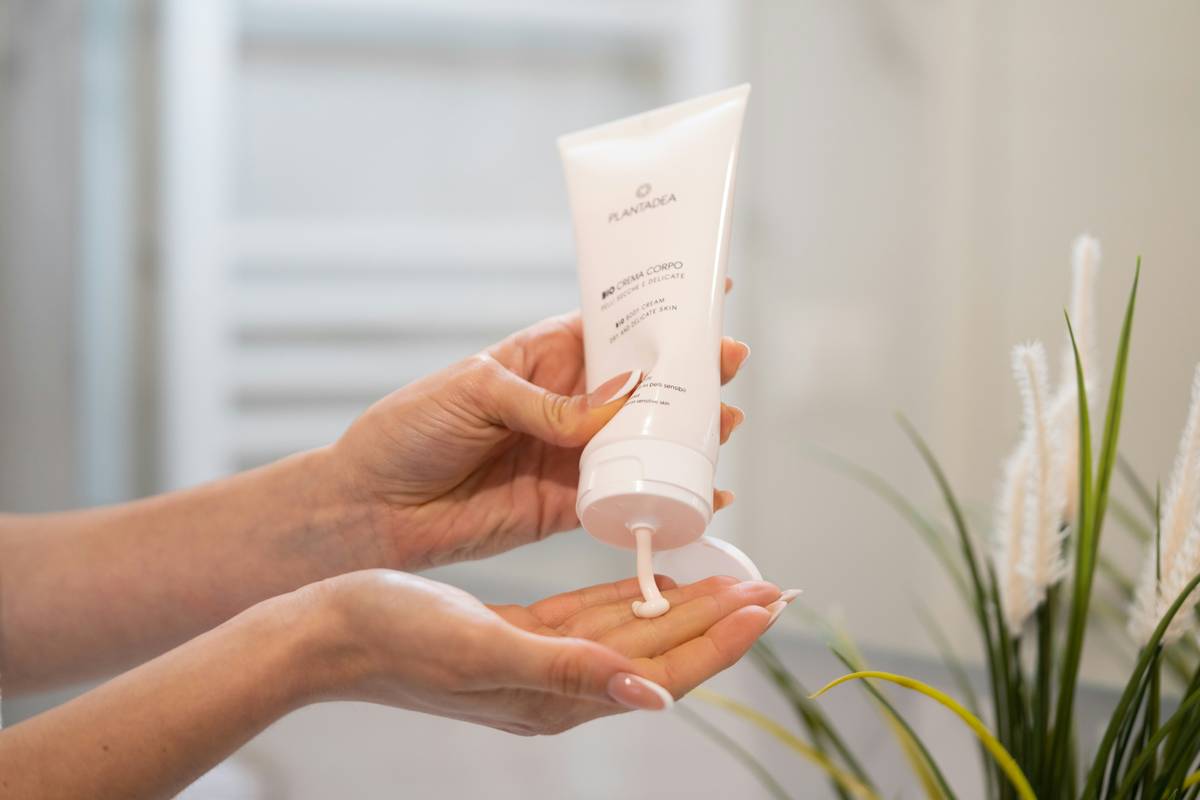
Scoop a nickel-sized amount and rub between palms. This melts the crystalline structure for smoother absorption. Skipping this? Your butter might sit on the surface like waxy lint.
Step 3: Target Dry Zones
Elbows, knees, heels, and shins love body butter. Avoid acne-prone areas (back, chest) unless your formula uses non-comedogenic butters like mango or babassu.
Step 4: Wait Before Dressing
Giving it 2–3 minutes prevents transfer onto fabrics. (Learned this after ruining a $200 silk robe with raw shea residue. RIP, elegance.)
Best Practices for Max Hydration
Want your body butter to work harder? Try these expert-backed hacks:
- Layer smartly: Apply a hyaluronic acid serum to damp skin first, then seal with body butter for “moisture sandwich” effect.
- Exfoliate weekly: Dead cells block absorption. Use a gentle lactic acid body wash or dry brush before showering.
- Store it cool: Natural butters melt above 85°F. Keep yours in a drawer—not next to your radiator.
- Avoid these ingredients if sensitive: Fragrance, essential oils, and coconut oil (comedogenic for many).
And for the love of soft skin—never use body butter on your face. Its heavy occlusivity can clog pores and trigger breakouts. Save it for below the neck.
⚠️ Terrible Tip Disclaimer
“Just slather body butter on dry skin anytime—it’s rich, so it’ll hydrate!” Nope. This is skincare malpractice. You’re sealing in nothing but dust and dead cells. Don’t do it.
Real Results: A Case Study in Dry Skin Rescue
Last winter, a client of mine—a nurse working 12-hour shifts in heated hospital rooms—came to me with cracked, bleeding knuckles and ashy legs. She’d tried drugstore lotions with zero relief.
We switched her routine:
– AM: Light ceramide lotion on legs
– PM: Exfoliate with PHA body wash → pat damp → apply mango seed body butter
Within 5 days, her skin felt supple. By week 2, flaking stopped. After 4 weeks? Her colleagues asked if she’d gotten a “skin transplant.”
The key wasn’t just the body butter—it was using it correctly as part of a system. (Her before/after photos are wild—but sadly, I can’t share them here due to HIPAA. Trust me: it worked.)
FAQs: Is Body Butter a Moisturizer?
Can I use body butter every day?
Yes—if you have normal to dry skin. Oily or acne-prone body skin? Limit to 2–3x/week on extremities only.
Is body butter better than lotion?
For intense dryness or cold climates—yes. For daily lightweight hydration or humid weather—lotion wins.
Does body butter clog pores?
It depends. Shea and cocoa butter rate 0–2 on the comedogenic scale (low risk). Coconut oil is a 4 (high risk). Check labels!
Can I make my own body butter?
Yes, but DIY versions lack preservatives and can grow mold. Stick to reputable brands unless you’re experienced in cosmetic formulation.
Conclusion
So—is body butter a moisturizer? Absolutely. But it’s not a one-size-fits-all solution. It’s a barrier-repair powerhouse
Now go forth and butter wisely. Your elbows will thank you.
Like a Tamagotchi, your skin needs consistent, thoughtful care—not just occasional panic-feeding.
Haiku:
Shea melts on wet skin,
Locks in dew like morning grass—
Dry patches? Not today.