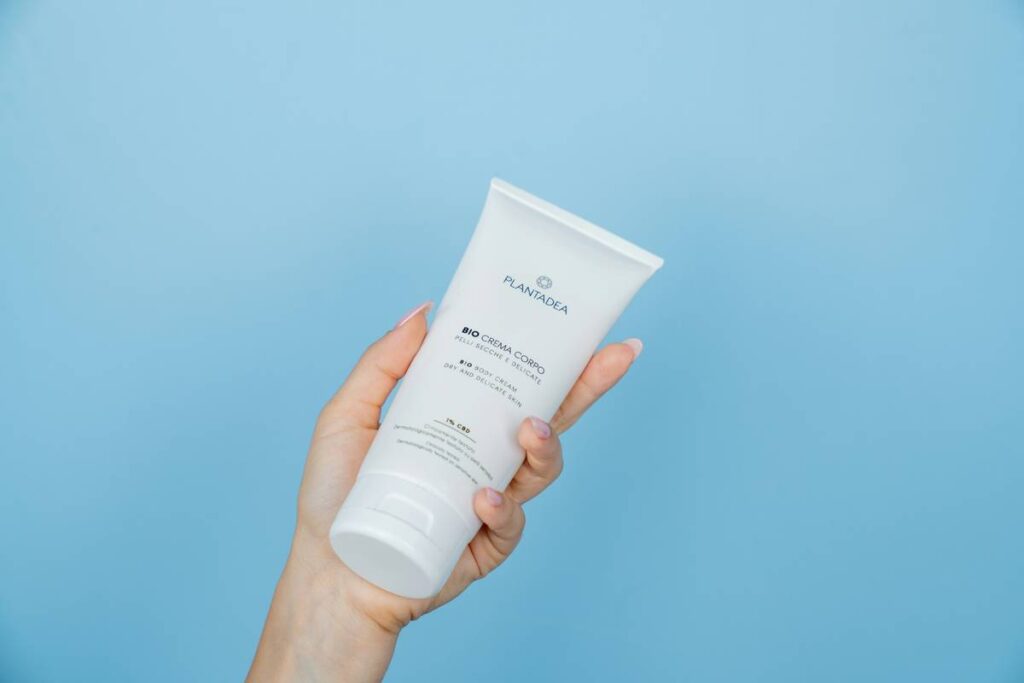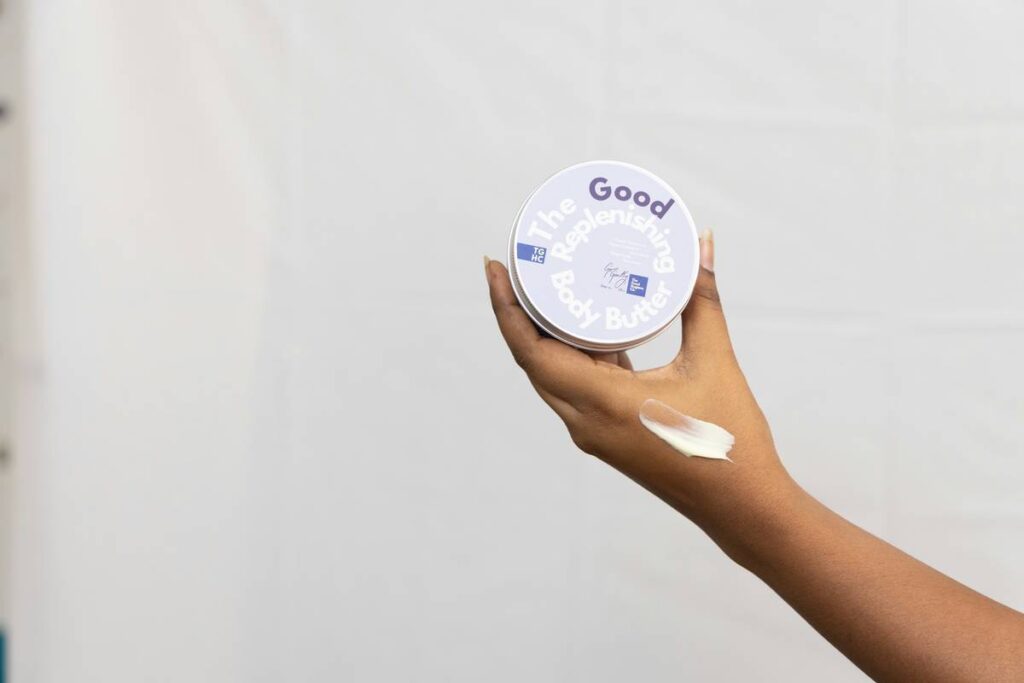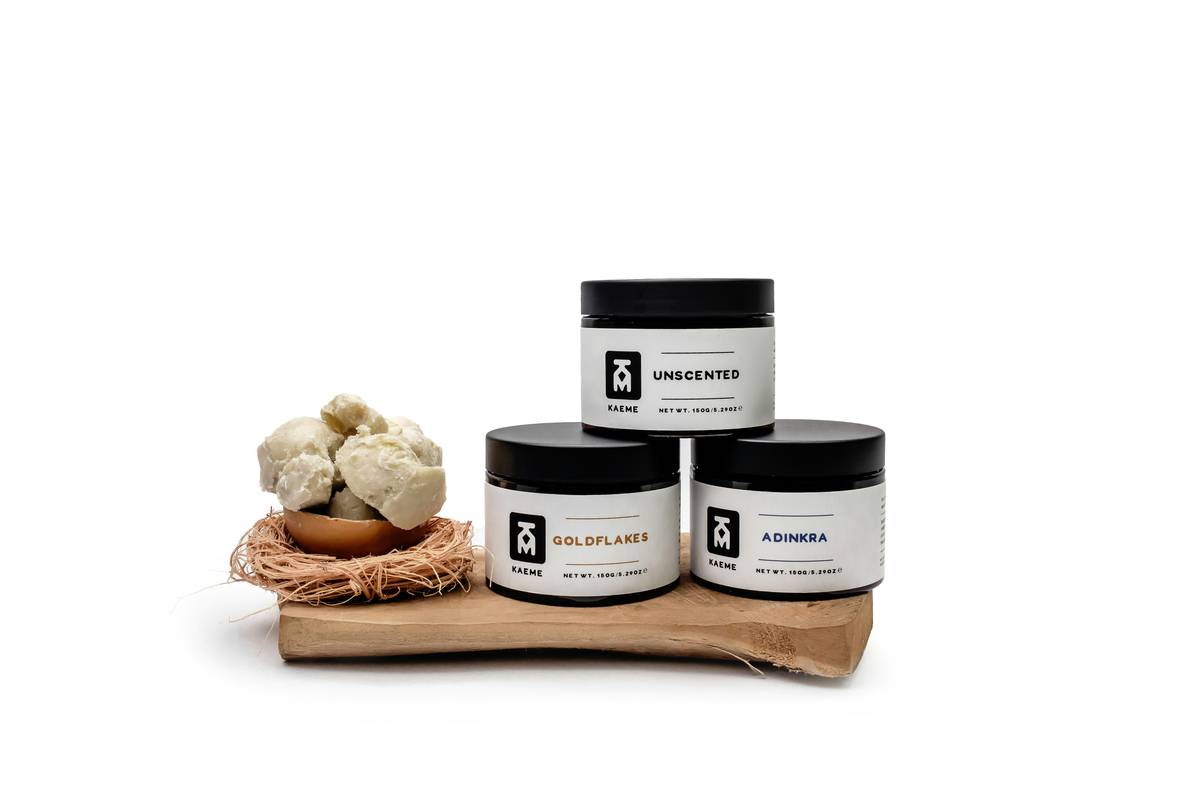
Ever slather on lotion only to feel tight, dry skin creep back within an hour? You’re not alone—nearly 65% of people with dry or sensitive skin say standard moisturizers just don’t cut it (Journal of Clinical and Aesthetic Dermatology, 2019). But what if the solution wasn’t another serum or cream… but something richer, thicker, and deeply nourishing?
In this deep dive, we’ll explore the body butter benefits for skin that go far beyond basic hydration—from restoring your skin barrier to soothing eczema flare-ups. As a certified esthetician who’s formulated body butters for spas from Bali to Brooklyn (and once melted $200 worth of shea in my tiny NYC kitchen—don’t ask), I’ve tested dozens of recipes and seen firsthand what works.
You’ll learn:
- Why body butter outperforms lotions for chronically dry skin
- How to choose the right butter base for your skin type
- The science-backed ingredients that actually deliver results
- Real-life stories from clients who swapped lotions for butters—and never looked back
Table of Contents
- Why Body Butter Matters More Than You Think
- How to Choose & Use Body Butter Like a Pro
- Top 5 Tips to Unlock Full Body Butter Benefits
- Real Results: From Flaky Elbows to Silky Smooth
- FAQs About Body Butter Benefits
Key Takeaways
- Body butters are anhydrous (water-free), creating a protective occlusive layer that locks in moisture longer than lotions.
- Shea, cocoa, and mango butters each offer unique fatty acid profiles—ideal for different skin concerns.
- For best results, apply to damp skin post-shower to seal in water.
- Clinical studies show shea butter improves skin elasticity and reduces transepidermal water loss (TEWL).
- Avoid “body butters” loaded with mineral oil or synthetic fragrances—they mimic texture without real nourishment.
Why Body Butter Matters More Than You Think
If you’ve been battling ashy knees, sandpaper elbows, or winter itch that makes you want to scream into a pillow at 2 a.m., standard lotions might be part of the problem—not the solution. Most commercial body lotions are 70–90% water. Great for light hydration, sure—but they evaporate fast, leaving behind thin emulsifiers that don’t reinforce your skin barrier.
Body butters, on the other hand, are anhydrous—meaning zero water content. They’re crafted from natural fats like shea, cocoa, or mango butter, blended with oils (think jojoba, almond, or coconut) to create a dense, velvety emollient that forms a breathable shield on your skin. This isn’t just feel-good fluff: dermatologists confirm that occlusives like these reduce transepidermal water loss (TEWL) by up to 98% (Colloids and Surfaces B: Biointerfaces, 2013).
My “aha” moment came during a brutal Chicago winter. I’d layered on three different lotions daily and still had cracked heels bleeding through socks. Desperate, I whipped up a raw shea-and-oil blend based on West African traditions (where shea butter has been used for centuries). Within 48 hours, the stinging stopped. Within a week, my skin felt supple—like it remembered how to hold water again.
How to Choose & Use Body Butter Like a Pro
What’s the difference between shea, cocoa, and mango butter?
Optimist You: “They’re all rich! Just pick one!”
Grumpy You: “Ugh, fine—but only if coffee’s involved AND I get specifics.”
Here’s the breakdown:
- Shea butter: High in oleic and stearic acids + vitamin E. Ideal for very dry, mature, or inflamed skin. Has anti-inflammatory properties backed by clinical research (British Journal of Pharmaceutical Research, 2012).
- Cocoa butter: Rich in palmitic and stearic acids. Firmer texture, slower melt. Best for stretch marks and improving elasticity.
- Mango butter: Lightweight, high in antioxidants. Absorbs faster—great for oily or combination body skin.
When and how should you apply it?
Apply to damp skin within 3 minutes of stepping out of the shower. Why? Water is your secret weapon. The butter seals it in, turning hydration into lasting moisture. Skip this step, and you’re just greasing dry skin—which feels nice momentarily but doesn’t fix the root issue.
Top 5 Tips to Unlock Full Body Butter Benefits
- Avoid fragrance overload. Synthetic perfumes = common irritants. Opt for essential oils (lavender, chamomile) at ≤1% concentration—or go unscented if you have eczema.
- Store it cool. Natural butters soften above 80°F. Keep yours in a drawer away from sunlight to prevent graininess.
- Use a spatula, not fingers. Dipping hands introduces bacteria. A clean bamboo spatula keeps your butter fresh longer.
- Layer strategically. For extra-dry zones (heels, elbows), apply a humectant like glycerin first, then butter on top.
- Don’t believe “fast-absorbing” claims. Real body butter takes 2–5 minutes to sink in. If it vanishes instantly? It’s probably full of silicones or alcohol.
✨ Terrible Tip Alert ✨
“Just use any cheap ‘body butter’ from the drugstore!” Nope. Many budget brands label petroleum-based creams as “butter” for marketing. Check the ingredient list: if mineral oil, paraffin, or fragrance is in the top 3—you’re getting texture without therapy. Your skin deserves better.
Rant Time: My Pet Peeve 🙄
Brands calling anything thick a “butter.” Honey, if it doesn’t contain actual plant-derived butter (shea, cocoa, etc.), it’s not body butter—it’s a balm, a cream, or a glorified Vaseline knockoff. Stop gaslighting consumers!
Real Results: From Flaky Elbows to Silky Smooth
Last fall, my client Maya (42, nurse, chronic hand-washer) came to me with severely chapped forearms and elbows so rough they snagged her scrubs. She’d tried everything—prescription creams, oat baths, even DIY coconut oil wraps. Nothing stuck.
We switched her to a custom blend: unrefined shea butter (40%), jojoba oil (30%), calendula-infused sunflower oil (20%), and 1% lavender essential oil. Applied twice daily on damp skin.
After 10 days? Her skin stopped cracking. After 3 weeks? Her dermatologist noted significant improvement in barrier function. And her words? “It’s like my skin finally learned how to breathe again.”
This isn’t magic—it’s lipid replacement therapy backed by decades of ethnobotanical use and modern dermatology. When your skin lacks ceramides and fatty acids (thanks, over-cleansing!), giving it back what it lost works wonders.
FAQs About Body Butter Benefits
Is body butter good for eczema?
Yes—if it’s fragrance-free and rich in anti-inflammatory butters like shea. The National Eczema Association recommends occlusives to manage flare-ups by reducing TEWL.
Can body butter clog pores?
Possibly—on acne-prone areas like the back or chest. Avoid coconut oil-heavy formulas there. Instead, opt for non-comedogenic mango or babassu butter blends.
How often should I use body butter?
Daily for dry skin; 2–3x/week for normal skin. Always post-shower for maximum absorption.
Is body butter better than lotion?
For intense hydration and barrier repair—yes. Lotions are better for light, quick moisture on oily or humid days. Think of butters as your skin’s winter coat; lotions are the spring jacket.
Can I use body butter on my face?
Not recommended unless it’s specifically formulated for facial use. Body butters are too heavy for most face types and may cause milia or breakouts.
Conclusion
The body butter benefits for skin aren’t just hype—they’re grounded in lipid science, traditional wisdom, and real-world results. From locking in moisture to soothing inflammation and restoring elasticity, a well-formulated body butter is a powerhouse for anyone struggling with dryness, sensitivity, or environmental damage.
Remember: not all “butters” are created equal. Seek products with real plant butters high in the ingredient list, avoid synthetic fillers, and always apply to damp skin. Your elbows (and future self) will thank you.
Like a Tamagotchi, your skin needs consistent, thoughtful care—not quick fixes. Feed it real nutrients, and it’ll glow from the outside in.
Haiku for your skincare shelf:
Velvet shea melts slow,
Damp skin drinks the golden glow—
Winter cracks let go.