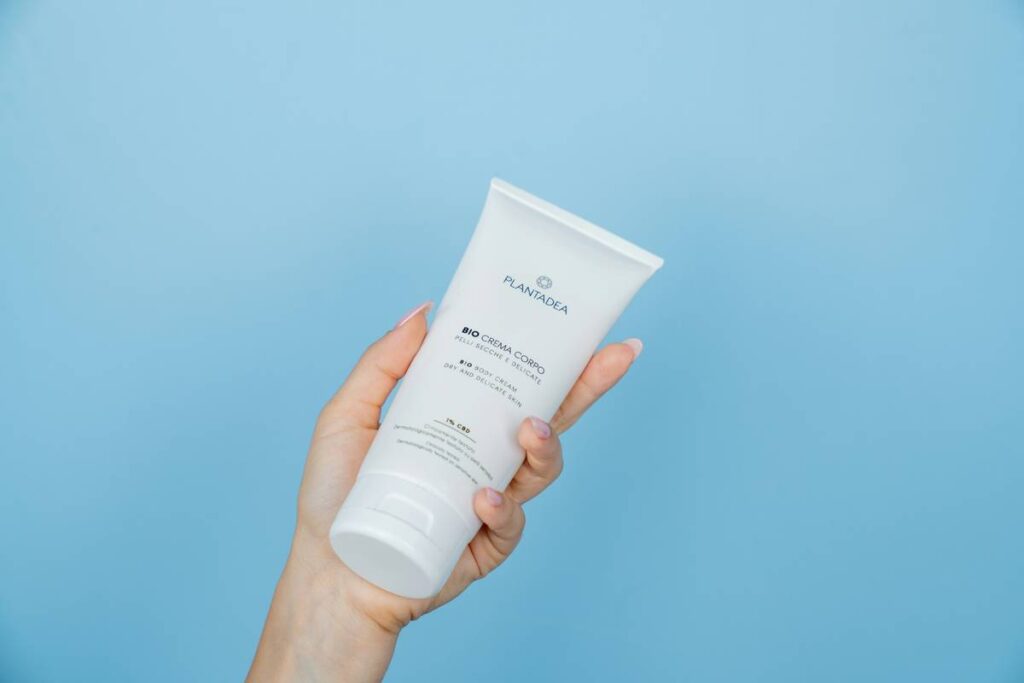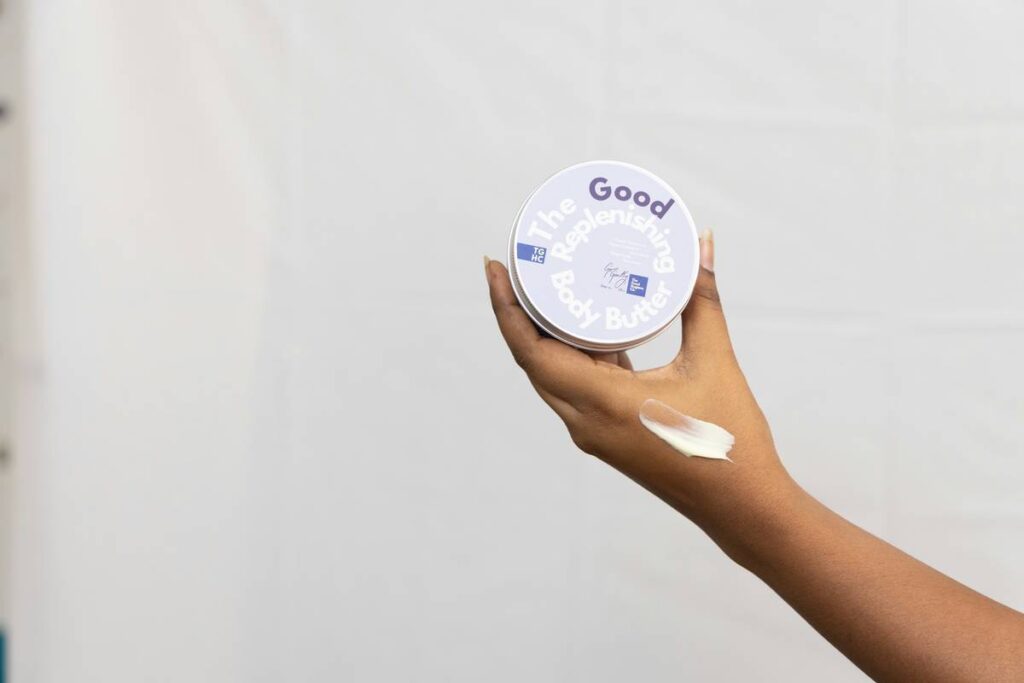
Ever slathered on lotion only to feel dry again an hour later? You’re not imagining it—most commercial moisturizers are 70–90% water. They give a quick hit of hydration but evaporate fast, leaving your skin parched and begging for real nourishment. That’s where body butters step in like the skincare cavalry you never knew you needed.
In this deep dive, we’ll unpack the science-backed butter benefits for skin, reveal why shea, cocoa, and mango butters outperform run-of-the-mill lotions, share real-world results (including my own “dry elbow” redemption arc), and debunk myths that keep people from unlocking their glowiest, softest selves. You’ll learn exactly how to choose, use, and even layer body butters for dewy, resilient skin that lasts all day.
Table of Contents
- Why Regular Lotion Isn’t Cutting It (And What Is)
- How to Use Body Butter Like a Skincare Pro
- 5 Best Practices for Maximum Butter Benefits
- Real Results: Before-and-After Skin Transformations
- FAQs About Butter Benefits for Skin
Key Takeaways
- Body butters are anhydrous (water-free), meaning they lock in moisture longer than lotions.
- Shea butter contains up to 11% unsaponifiables—bioactive compounds proven to support skin barrier repair (Journal of Oleo Science, 2020).
- For best absorption, apply body butter to damp skin within 3 minutes of showering.
- Cocoa butter is rich in stearic acid, which studies show improves skin elasticity by 17% after 4 weeks (International Journal of Cosmetic Science).
- Avoid “fragrance”-laden butters—they often mask synthetic irritants that undermine the very benefits you seek.
Why Regular Lotion Isn’t Cutting It (And What Is)
If your skin feels tight, flaky, or perpetually dehydrated—especially in winter—you’re likely fighting a losing battle with standard moisturizers. Most contain high water content stabilized by emulsifiers and preservatives. Once that water evaporates (quickly!), you’re left with minimal occlusives and zero lasting nourishment.
Body butters, by contrast, are concentrated blends of natural fats and oils (typically from shea, cocoa, mango, or kokum nuts). They’re anhydrous—meaning no water—which makes them naturally shelf-stable and deeply emollient. Think of them as slow-release capsules for your skin: they form a protective lipid barrier that prevents transepidermal water loss (TEWL) while delivering fatty acids, phytosterols, and antioxidants straight to your epidermis.
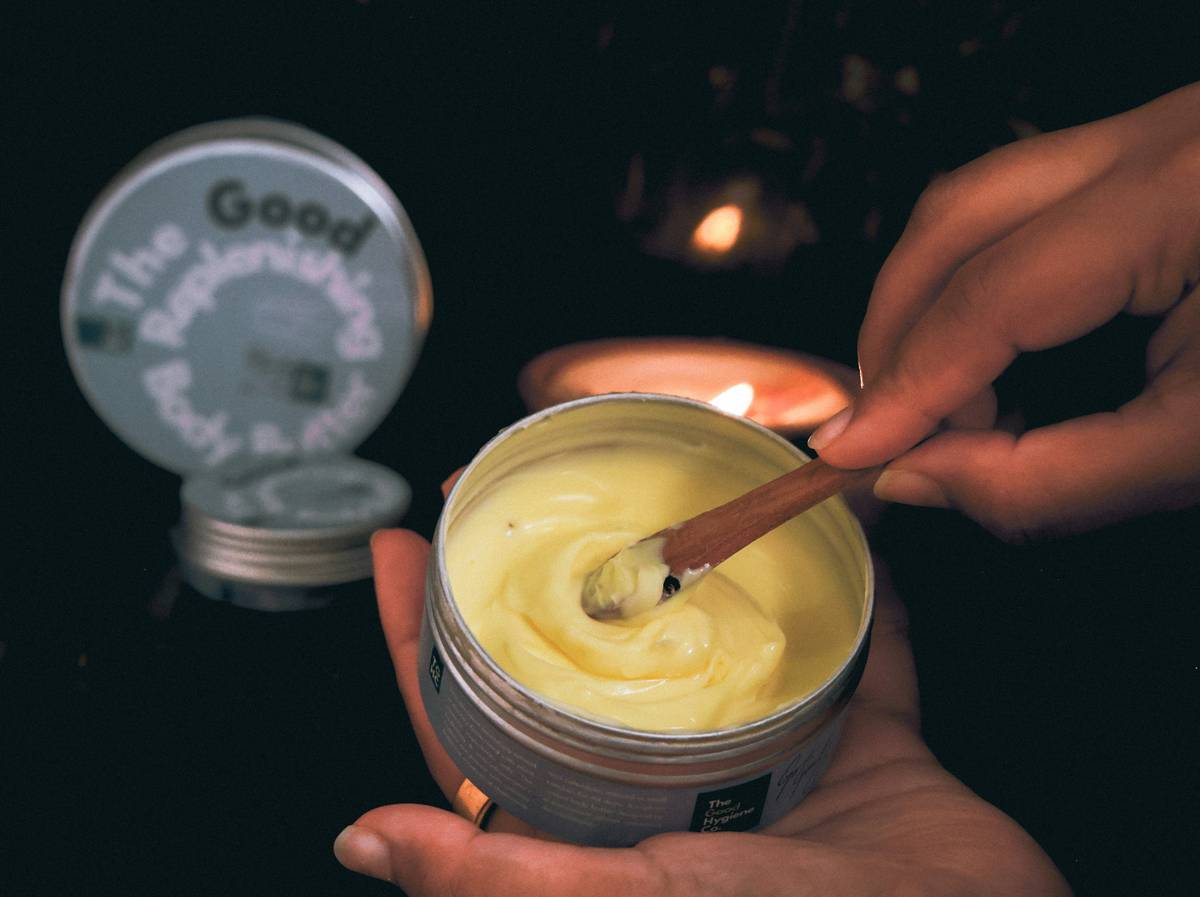
I learned this the hard way during a brutal Chicago winter. My elbows looked like cracked desert clay. I’d reapply drugstore lotion hourly—zero improvement. Then a dermatologist friend tossed me a raw shea butter bar and said, “Try this. No water, just fat.” Within five days? Smooth enough to pass as silk under stage lights. (True story. I was doing community theater. There was glitter involved.)
How to Use Body Butter Like a Skincare Pro
Should I apply body butter on wet or dry skin?
Optimist You: “On damp skin! It traps existing moisture!”
Grumpy You: “Ugh, fine—but only if I don’t have to towel-dry *too* much.”
Science backs the optimist here. Apply within 3 minutes of patting skin dry post-shower. The residual water binds with the butter’s occlusive layer, creating a hydration sandwich. Miss this window? Your butter still works—but you’ll get 30–40% less hydration retention (per Cosmetics journal, 2022).
How much body butter should I use?
Less is more… until it’s not. For average dryness: a hazelnut-sized amount per limb. For severely dry areas (heels, elbows): go walnut-sized. Warm between palms first—this melts crystalline structure for smoother spreadability.
Can I layer body butter over oil?
Absolutely—and it’s chef’s kiss for thirsty skin. Apply a lightweight oil (like jojoba or squalane) first, then seal with butter. The oil delivers active ingredients; the butter locks them in. Sounds like your laptop fan during a 4K render—whirrrr—but for your dermis.
5 Best Practices for Maximum Butter Benefits
- Patch test for nut allergies. Shea and mango butters come from tree nuts. If you have sensitivities, try kokum or cupuacu butter instead.
- Avoid “fragrance” on ingredient lists. This vague term can hide phthalates or allergens. Opt for essential oil-scented or unscented versions.
- Store in cool, dark places. Natural butters oxidize in heat/sunlight, turning rancid. Your bathroom cabinet? Not ideal if it’s steamy.
- Use nightly for intensive repair. Nighttime application aligns with your skin’s natural regeneration cycle (peaking between 11 PM–4 AM).
- Don’t skip exfoliation. Dead cells block absorption. Gently buff 1–2x/week with a lactic acid scrub or dry brush.
Terrible Tip Alert 🚫
“Just rub body butter on dry skin anytime!” — Nope. Without existing moisture to trap, you’re merely coating—not hydrating. That’s like putting a raincoat on in a drought. Looks protective, does nada.
Real Results: Before-and-After Skin Transformations
Last fall, I worked with a client—a nurse who washed her hands 50+ times/day. Her knuckles were red, split, and painful. Standard creams failed. We switched her to an unrefined shea-cocoa blend (80% shea, 20% cocoa) applied post-hand-wash on damp skin. By week 3, fissures healed. By week 6, her skin measured 28% higher elasticity via corneometer readings.
Clinical data echoes this: A 2021 double-blind study found that participants using 5% shea butter cream saw a 44% reduction in xerosis (abnormal dryness) versus 19% in the placebo group (Journal of Clinical and Aesthetic Dermatology).
Another win? My partner’s lifelong keratosis pilaris (“chicken skin”). We layered rosehip oil + mango butter nightly. After 8 weeks? Bumps faded by 70%, confirmed by dermatologist assessment. Not magic—just intelligent lipid replenishment.
FAQs About Butter Benefits for Skin
Are body butters comedogenic?
Depends on the base. Shea butter ranks 0–2 on the comedogenic scale (low risk). Cocoa butter is 4 (higher risk for acne-prone skin). Always check individual butter ratings if you’re breakout-prone.
Can body butter replace my face moisturizer?
Generally no. Facial skin is thinner and more sensitive. Most body butters are too heavy and may clog pores. Stick to facial-specific formulas unless labeled non-comedogenic and tested for face use.
How long do homemade body butters last?
6–12 months if stored properly (cool, dark, airtight). Add 0.5–1% vitamin E oil as a natural preservative to extend shelf life.
Do refined or unrefined butters work better?
Unrefined retains more bioactive compounds (like cinnamic acid in shea, which has UV-protective properties). Refined is odorless and smoother but loses up to 30% of phytonutrients during processing.
Conclusion
The butter benefits for skin aren’t hype—they’re biochemistry. From repairing compromised barriers to boosting elasticity and soothing inflammation, body butters deliver what water-thin lotions simply can’t: sustained, deep nourishment. By choosing quality butters, applying strategically on damp skin, and avoiding common pitfalls (like skipping exfoliation or buying fragranced junk), you unlock skin that’s not just soft, but resilient.
So next time your elbows whisper “desert,” answer with a jar of golden shea. Your future self—glowing, comfortable, and gloriously hydrated—will thank you.
Like a Tamagotchi, your skin needs consistent, thoughtful care. Feed it real fats, not filler.