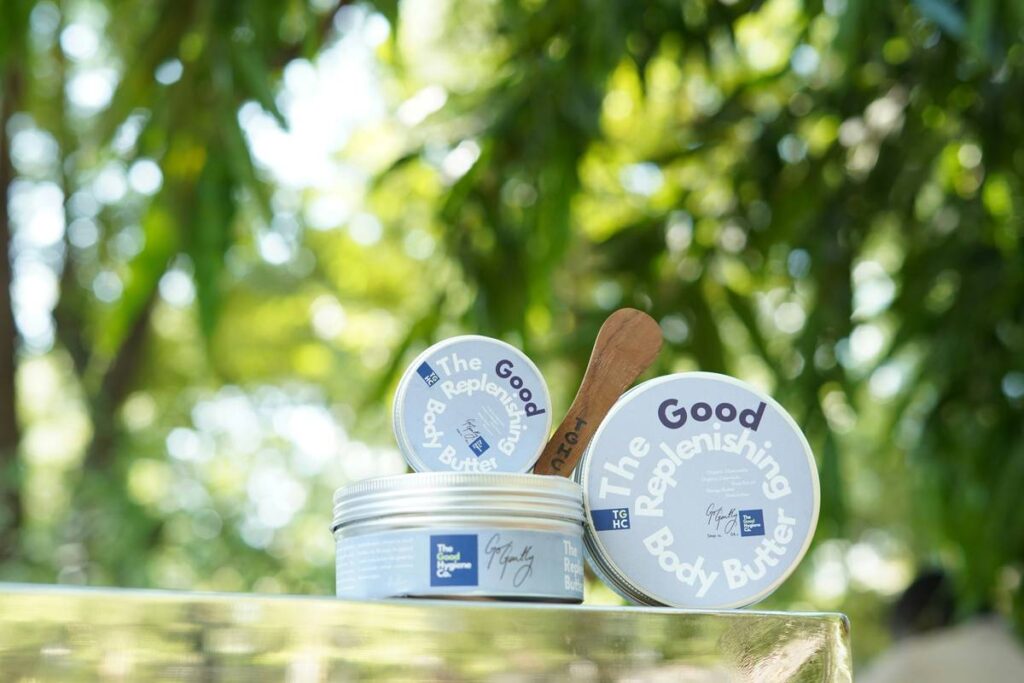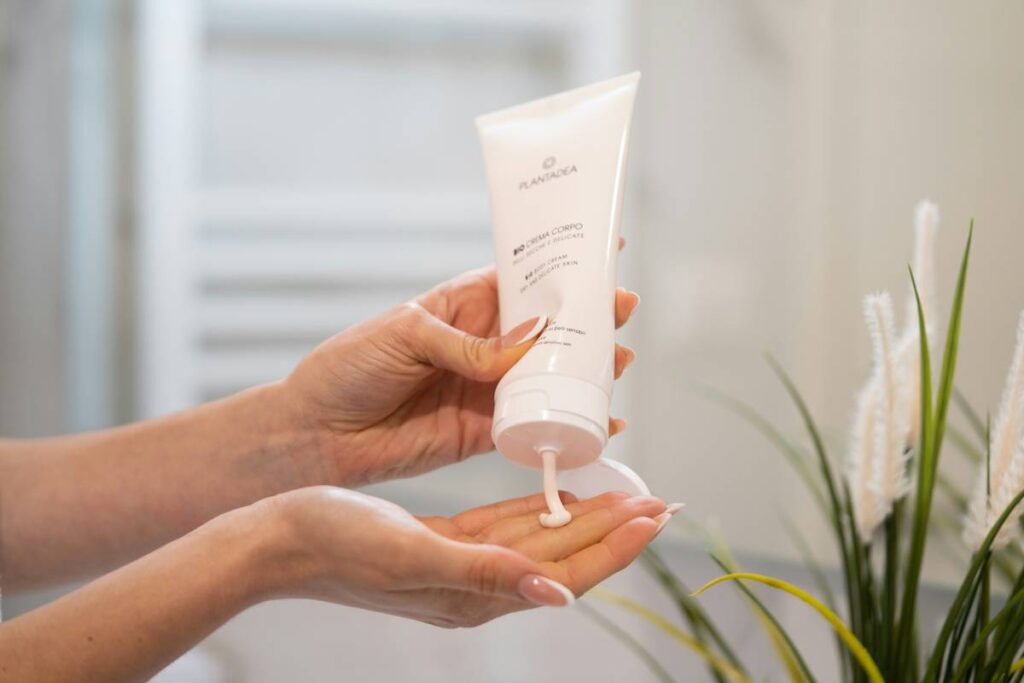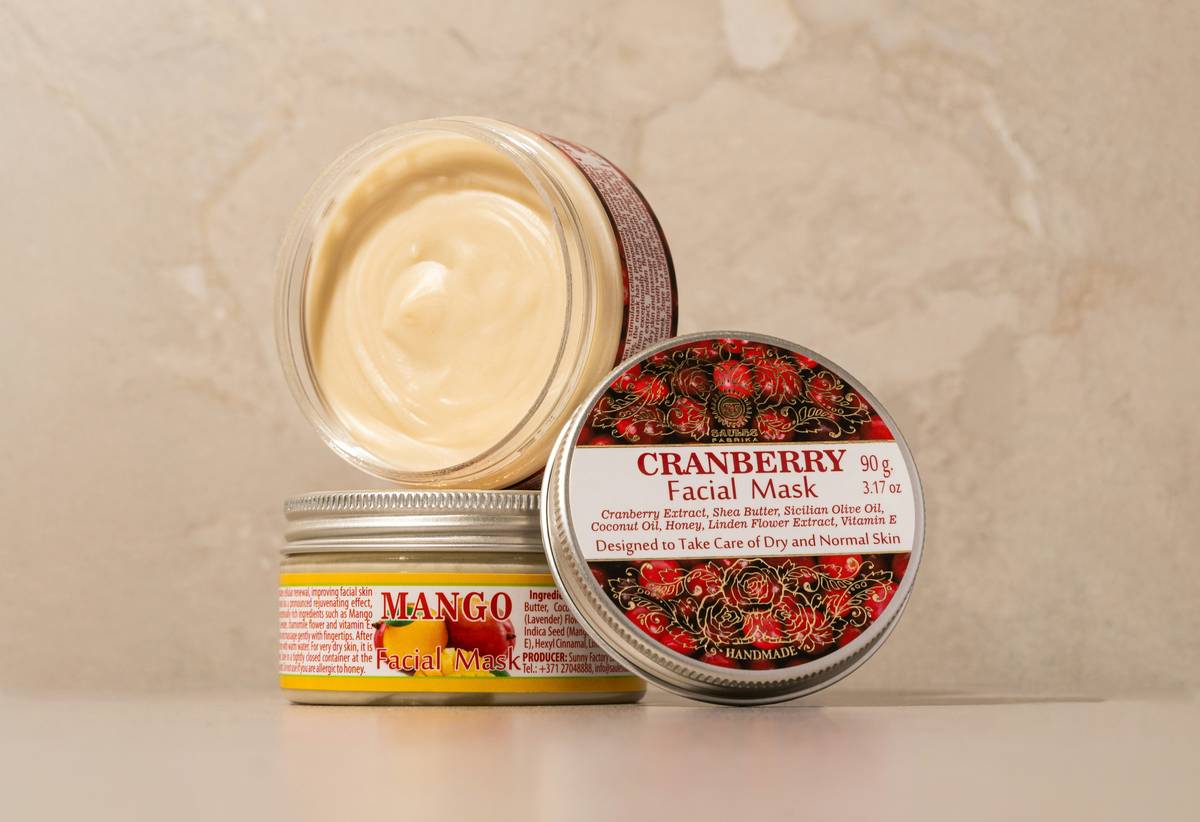
Dry, flaky skin that drinks up lotion like a desert after rain—and still feels tight minutes later. You’ve slathered on hydrating creams, drugstore miracles, even “dermatologist-recommended” formulas. Nothing sticks. Nothing lasts. What if the issue isn’t your skin… but what you’re putting on it? Enter body butter cream—a category misunderstood, over-marketed, and wildly underutilized.
Why Your Current Moisturizer Fails (And Why “Hydrating” Is a Lie)
Most lotions are 70–90% water. Apply it, feel instant slip—then watch it vanish as water evaporates off your skin, sometimes dragging existing moisture with it. That’s not hydration. That’s optical illusion.
True barrier repair demands occlusives and emollients in concentrated form. Not diluted in H₂O. Body butter cream skips the filler. It’s built on butters like shea, cocoa, or mango—rich in fatty acids and phytosterols that mimic your skin’s natural lipid matrix. And yet, 8 out of 10 “body butters” on shelves are just thickened lotions with 5% real butter. Marketing fluff.
What Is Body Butter Cream?
At its core, body butter cream is anhydrous (water-free) or low-water skincare engineered for intense, long-lasting nourishment. Think of it as a protective armor—not a quick splash.
The 3 Non-Negotiable Ingredients
Raw, unrefined shea butter delivers oleic and stearic acids that rebuild the stratum corneum. Cold-pressed oils like jojoba or argan integrate seamlessly without clogging pores. And zero synthetic thickeners—if it lists “carbomer” or “acrylates,” it’s a lotion impersonator.
DIY vs. Premium: Cost vs. Performance Breakdown
| Factor | DIY Body Butter | Premium Artisan Body Butter |
|---|---|---|
| Upfront Cost | $8–$15 (shea, oil, beeswax) | $24–$42 per jar |
| Stability | Prone to graininess; separates in heat | Heat-stable; whipped to silky consistency |
| Active Butter % | 60–80% (if measured precisely) | 85–95% (no fillers) |
| Shelf Life | 2–3 months (no preservatives) | 12+ months (natural antioxidants like rosemary extract) |
| Customization | High—but requires precision | Pre-formulated for efficacy |
How to Apply for Maximum Absorption
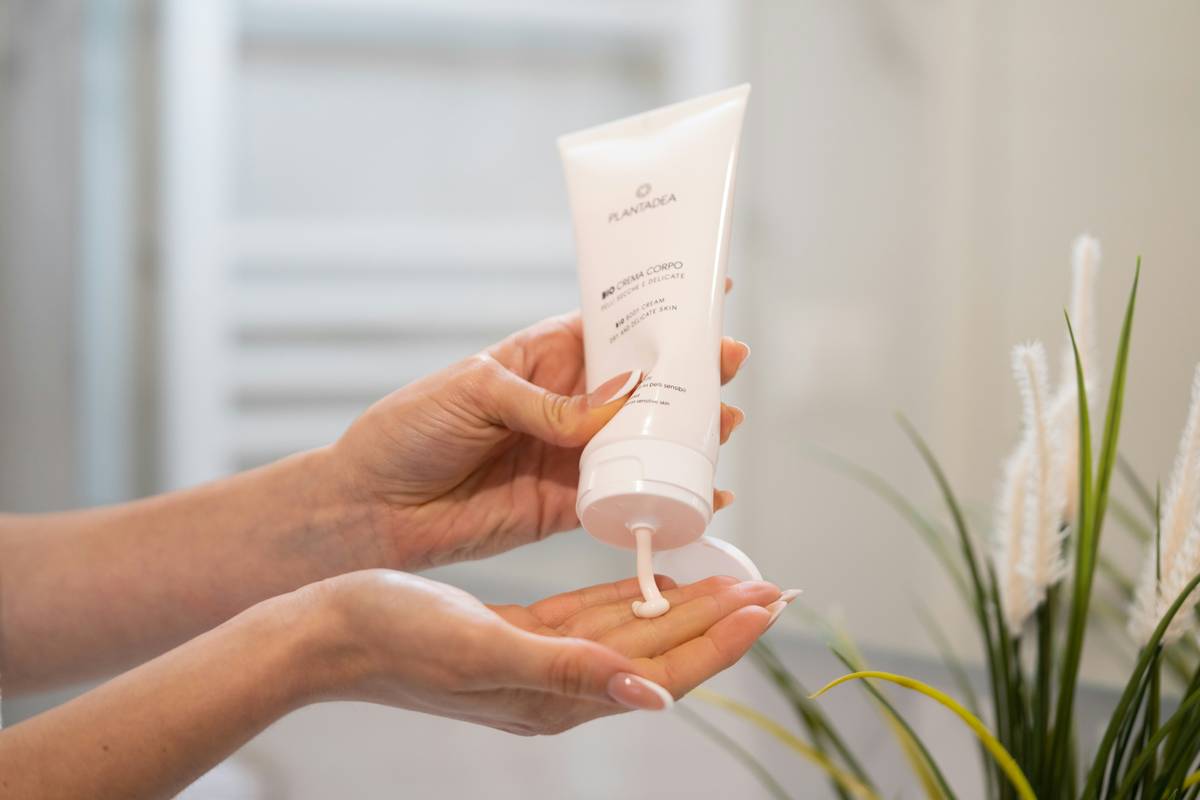
Never apply to dry skin. Damp skin—post-shower, lightly patted—is key. Water trapped beneath the butter gets sealed in, amplifying hydration tenfold. Scoop a nickel-sized amount. Rub between palms to melt. Press—don’t rub—into limbs. Let it absorb 2 minutes before dressing. Yes, it feels richer. That’s the point.
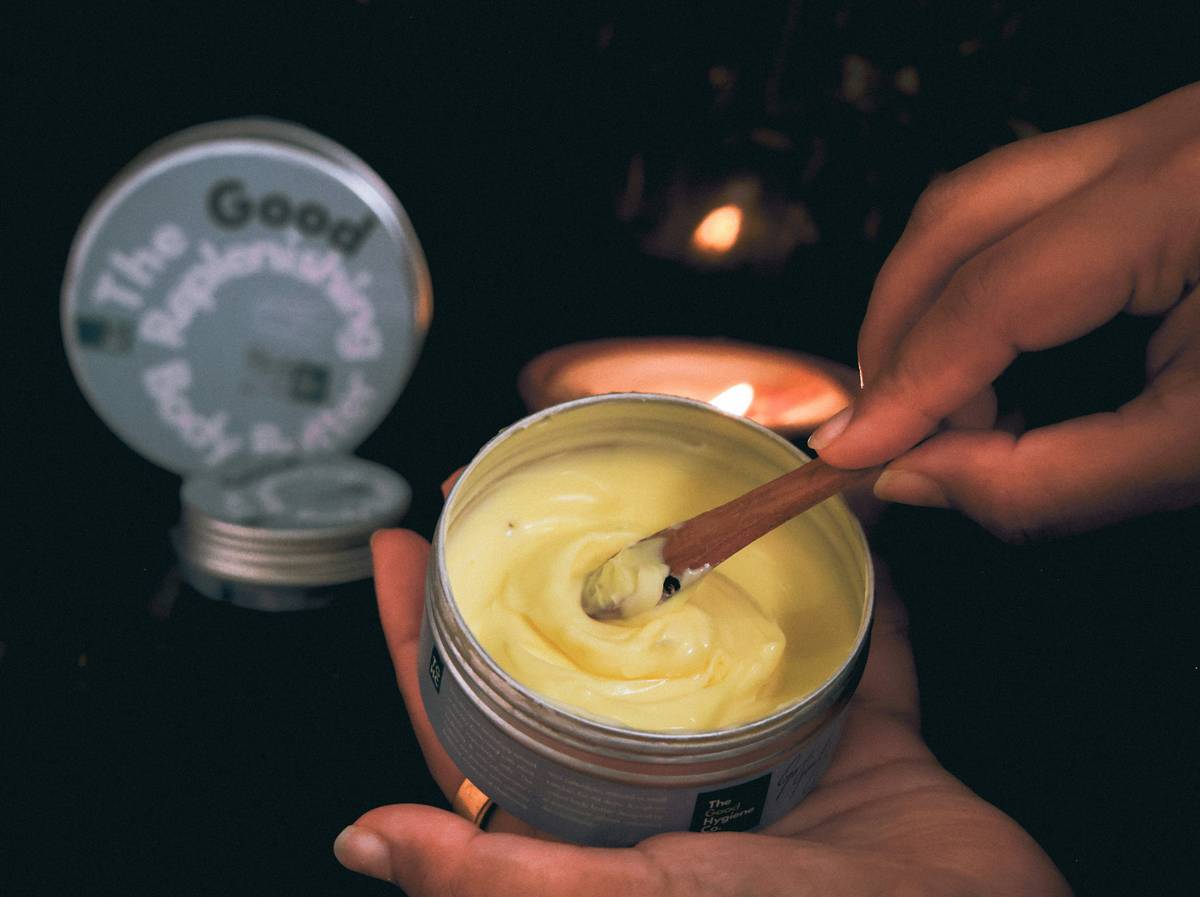
The Industry Secret: Texture Isn’t About Luxury—It’s Chemistry
Here’s what formulators won’t admit: graininess in body butter isn’t a flaw—it’s a signal. Unrefined shea naturally crystallizes. Brands that “de-grain” it often use hexane extraction or high-heat refining, stripping away tocopherols and allantoin—the very compounds that heal cracked heels and eczema patches. A slightly gritty texture? That’s integrity. Meghann & Designs batches ours in small vats, cooled slowly to preserve micro-nutrients—because performance beats polish every time.
FAQs About Body Butter Cream
Is body butter better than lotion?
For dry, mature, or sensitive skin—yes. Lotions hydrate temporarily; body butters repair the barrier long-term by delivering concentrated lipids without water dilution.
Can body butter clog pores?
Only if loaded with comedogenic oils like coconut or mineral oil. Opt for non-comedogenic bases like shea butter and jojoba—they mimic sebum without blocking follicles.
How often should you use body butter cream?
Daily on rough zones (elbows, feet). Every other day on the body. Overuse isn’t harmful—but it’s unnecessary if your skin isn’t screaming for rescue.