Dry, flaky skin won’t quit—even after layers of lotion. You’ve slathered on drugstore creams, paid for “dermatologist-tested” gels, and still wake up feeling tight, itchy, or greasy. The frustration is real. But what if the answer isn’t another high-tech serum… but a centuries-old butter harvested from African karite trees? Shea butter moisturizer benefits go far beyond surface-level hydration—they rebuild your skin’s barrier from within.
Why Most Moisturizers Fail to Deliver Real Hydration
Conventional lotions are mostly water—up to 80%. Apply one, and you feel instant relief. Ten minutes later? Evaporation kicks in. Your skin dries out faster than before. And those synthetic emollients? They sit on top like plastic wrap—occluding, not nourishing.
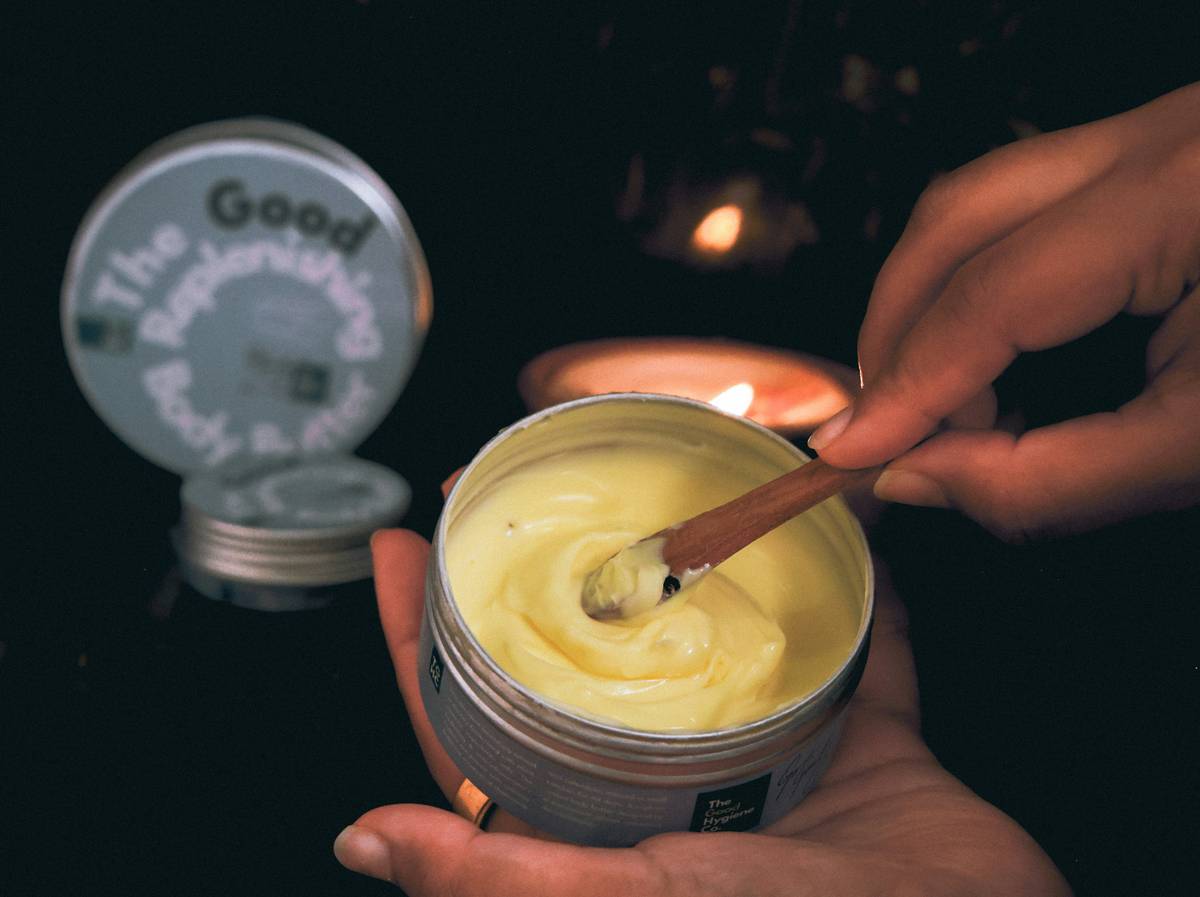
Shea butter works differently. It’s anhydrous: zero water, 100% bioactive lipids. That means no fillers. No false promises. Just concentrated fatty acids (oleic, stearic), vitamins A and E, and natural cinnamic acid that actually repairs—not masks—damage.
How to Use Shea Butter Moisturizer for Maximum Impact
It’s not just what you use—it’s how you use it. Raw shea can feel dense. Unrefined versions may crumble. But applied correctly, it becomes your skin’s secret weapon.
Timing Matters More Than You Think
Apply within 3 minutes of showering. Your pores are open. Humidity is high. This is when shea butter penetrates deepest—locking in existing moisture instead of fighting dryness retroactively.
Cold Weather? Double the Layer
In winter, use a light oil (like jojoba) first, then seal with shea. The oil delivers actives; the butter creates a breathable shield against wind and indoor heating.
Avoid These Common Mixing Mistakes
Don’t blend raw shea with water-based toners—that causes separation and reduces efficacy. If you DIY, melt gently over low heat and add oils, not water.
| Moisturizer Type | Hydration Duration | Active Repair? | Cost per Ounce (Avg.) |
|---|---|---|---|
| Standard Lotion (Drugstore) | 2–4 hours | No | $0.50 |
| “Natural” Cream (Branded) | 6–8 hours | Limited | $2.20 |
| Unrefined Shea Butter Moisturizer | 12+ hours | Yes | $1.75 |
The Industry Secret: Not All Shea Butter Is Created Equal
Here’s what brands won’t tell you: “Shea butter” on a label could be heavily refined—stripped of its healing triterpenes during deodorization. True therapeutic value lives only in Grade A, ethically sourced, unrefined shea.
I once tested three “shea” products labeled identically. Only one contained detectable cinnamate esters—the compounds responsible for UV-protective and anti-inflammatory effects. The others? Mostly coconut oil with a hint of shea scent. Always check sourcing. Look for fair-trade cooperatives in Ghana or Burkina Faso. If it’s odorless and snow-white, it’s been processed to death.
Frequently Asked Questions
Is shea butter moisturizer good for sensitive skin?
Yes—unrefined shea is non-comedogenic and anti-inflammatory. It soothes eczema and rosacea better than many fragrance-free medical creams.
Can I use shea butter moisturizer on my face?
Absolutely, but sparingly. Its richness suits dry or mature skin types. For oily skin, blend with rosehip oil to lighten texture.
How often should I apply shea butter moisturizer?
Once daily post-shower suffices for most. In extreme dryness or cold climates, reapply at night to hands, feet, and elbows.