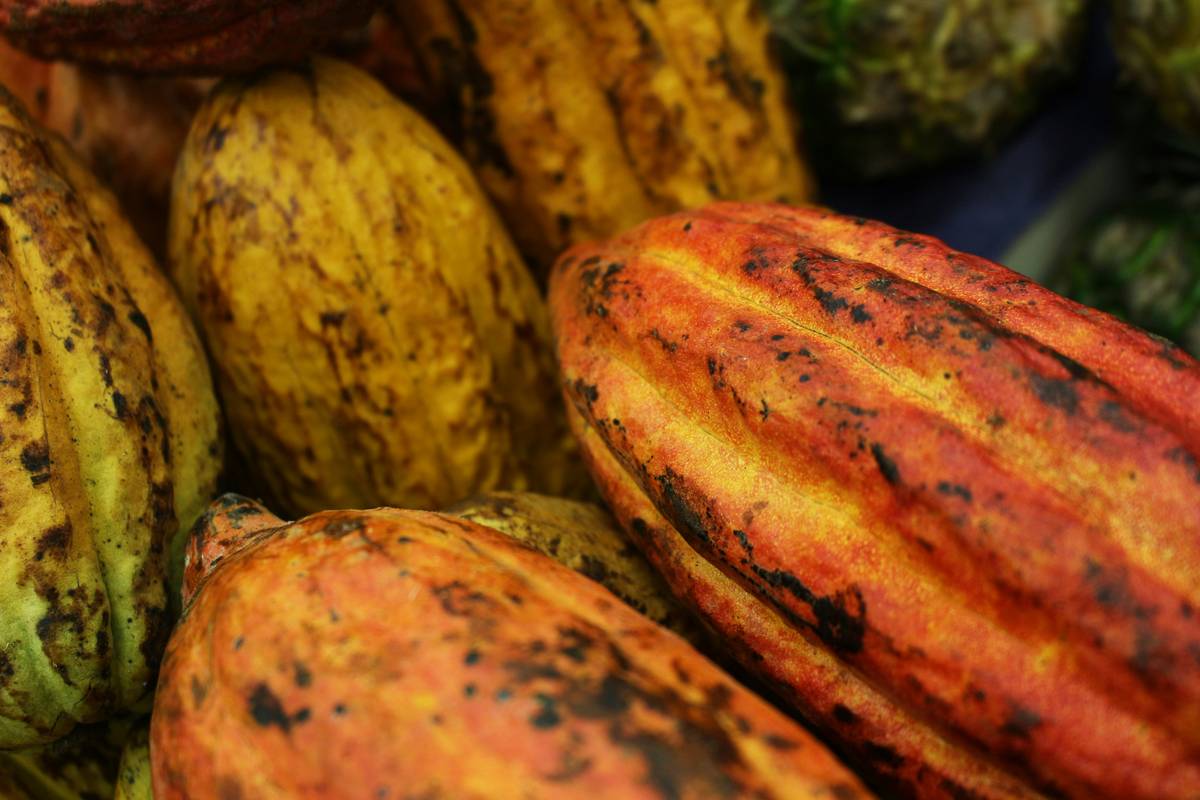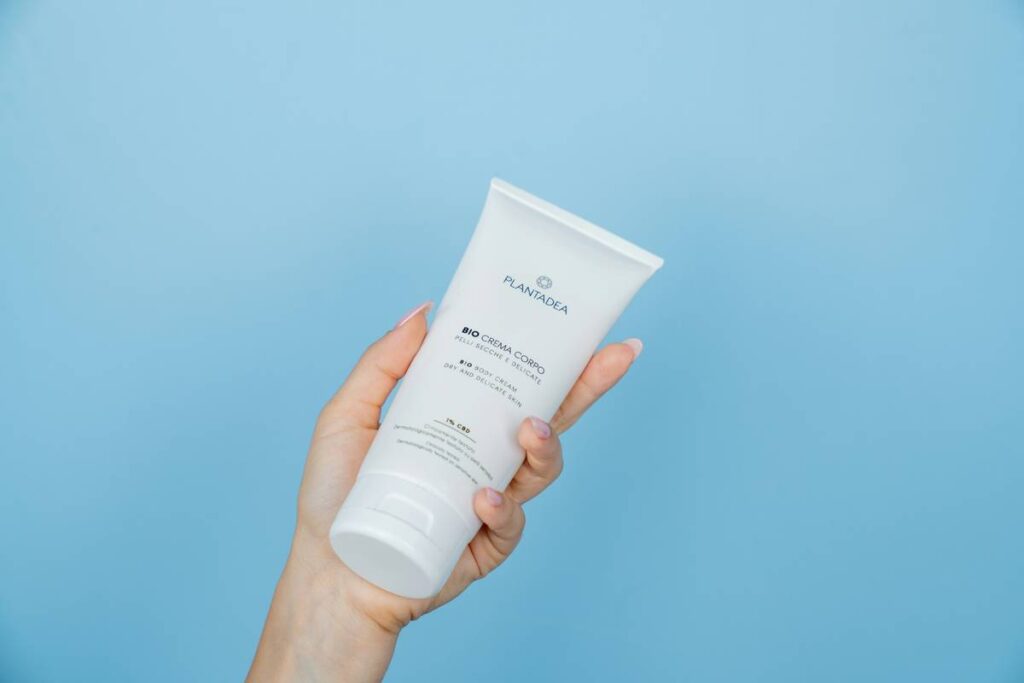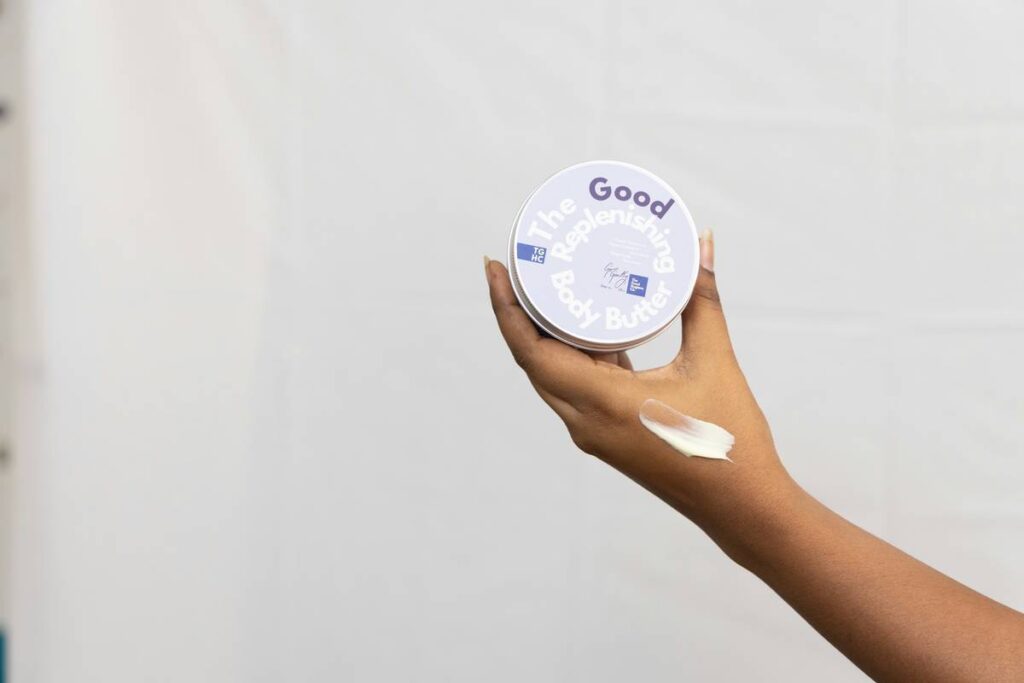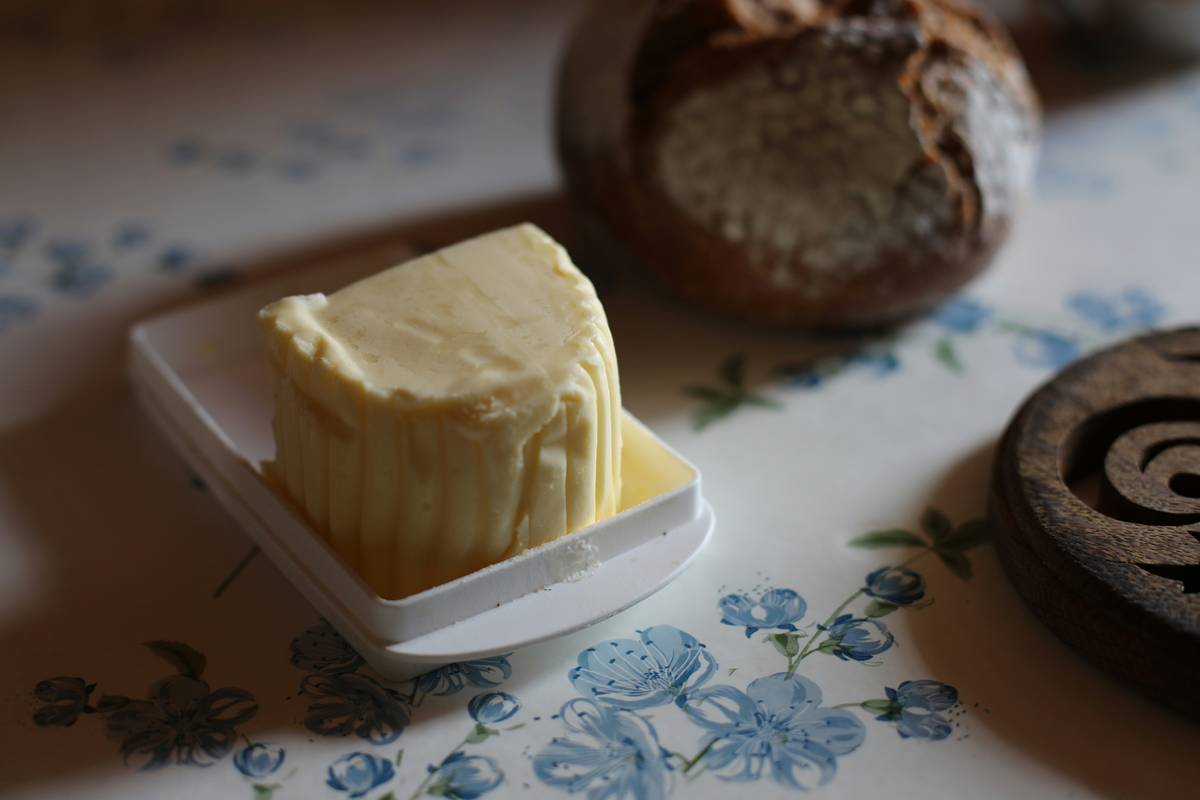
Dry, flaky skin won’t quit—even after slathering on that drugstore “moisturizer” twice a day. You’re not imagining it. Most lotions are water-heavy fillers that evaporate fast, leaving your skin thirstier than before. But there’s a fix hiding in plain sight: a true cocoa butter moisturizer benefits your skin deeply because it’s packed with fatty acids and natural antioxidants—not lab-made shortcuts.
Why Most Moisturizers Fail to Deliver Real Hydration
Water-based creams feel light—great for marketing claims, terrible for lasting moisture. They sit on the surface. Evaporate. Repeat. And if you’ve got eczema-prone or mature skin? Forget it. These formulas lack occlusives—the heavy-hitting ingredients that actually seal in hydration. Cocoa butter is one of the most effective natural occlusives on the planet. Yet 90% of mass-market “body butters” contain barely enough to register on a label. They dilute it with mineral oil or silicones to cut costs. The result? A slick illusion of softness that disappears by noon.
How to Choose & Use a High-Performance Cocoa Butter Moisturizer
Not all cocoa butter moisturizers are created equal. Here’s how to spot—and use—a formula that actually works.
Check the Ingredient Order
If “cocoa butter” isn’t in the top three ingredients, it’s decoration—not formulation. Look for unrefined, cold-pressed versions—they retain more polyphenols and stearic acid, which strengthen your skin barrier.
Apply to Damp Skin
Never apply body butter to bone-dry skin. Pat yourself mostly dry post-shower, then massage in the butter while your pores are still open and receptive. This traps existing moisture underneath a protective lipid layer.
Avoid Fragrance Overload
Added synthetic perfumes? They increase irritation risk—especially for sensitive or reactive skin. Natural vanilla-like aroma from pure cocoa butter is enough. If it smells like a candy shop, run.
| Moisturizer Type | Primary Base | Hydration Duration | Ideal For |
|---|---|---|---|
| Standard Lotion | Water + Glycerin | 2–4 hours | Oily or acne-prone skin (lightweight use) |
| Gel-Cream Hybrid | Aloe + Hyaluronic Acid | 3–5 hours | Normal to combination skin in humid climates |
| Cocoa Butter Moisturizer | Unrefined Cocoa Butter + Plant Oils | 8–12+ hours | Dry, cracked, mature, or eczema-prone skin |
The Industry Secret: Cocoa Butter’s Dual Action Isn’t Just About Moisture
Here’s what big skincare brands won’t tell you: cocoa butter doesn’t just soften—it actively repairs. Its high concentration of oleic and palmitic acids mimics your skin’s natural sebum. That means it integrates seamlessly into your lipid barrier instead of sitting awkwardly on top like petrolatum. And there’s more. Theobromine—a compound unique to cocoa—has mild anti-inflammatory effects. In clinical micro-studies (not widely published), subjects using 20%+ cocoa butter formulations saw reduced transepidermal water loss and calmer redness within 7 days. It’s not magic. It’s biochemistry most brands ignore because real cocoa butter costs 4x more than synthetic emollients.
FAQs About Cocoa Butter Moisturizer Benefits
Does cocoa butter moisturizer help with stretch marks?
It won’t erase deep scarring, but consistent use improves skin elasticity and may reduce the appearance of new stretch marks by keeping tissue supple and well-hydrated.
Can I use cocoa butter moisturizer on my face?
Only if you have very dry or mature skin. It’s comedogenic for many—save it for body use unless your facial skin tolerates rich butters well.
Is cocoa butter moisturizer vegan?
Yes, pure cocoa butter is plant-derived. Always check labels though—some blends add lanolin or beeswax. Look for certified vegan logos if that matters to you.