Ever slathered on a “luxurious” body lotion only to wake up with flaky elbows and itchy shins? You’re not alone. In fact, over 60% of adults experience dry skin year-round—especially in colder months or arid climates (American Academy of Dermatology, 2023). But here’s the kicker: most commercial moisturizers are water-based, meaning they evaporate fast, leaving your skin thirsty again within hours.
That’s where cocoa butter skincare enters like a hero in a hydrating cape. This rich, plant-derived fat isn’t just a TikTok trend—it’s been used for centuries in West Africa and Latin America for deep nourishment. In this guide, you’ll discover:
- Why cocoa butter outperforms synthetic lotions for barrier repair
- How to pick a truly effective cocoa butter body butter (spoiler: not all are created equal)
- Real results from consistent use—including my own battle-scarred knees
- And one “natural skincare” tip that’ll actually make things worse
Table of Contents
- Why Cocoa Butter Skincare Deserves a Spot in Your Routine
- How to Use Cocoa Butter for Maximum Hydration (Without Grease Stains)
- 5 Best Practices for Choosing & Storing Cocoa Butter Products
- Real Results: My 30-Day Cocoa Butter Body Butter Challenge
- Cocoa Butter Skincare FAQs—Answered Honestly
Key Takeaways
- Cocoa butter is a natural emollient rich in fatty acids (oleic, stearic, palmitic) that strengthen the skin barrier.
- Unrefined, raw cocoa butter retains more antioxidants than deodorized or processed versions.
- Apply to damp skin post-shower for 3x better absorption—science backs this trick.
- Avoid products labeled “cocoa butter-scented” with no actual Theobroma cacao oil.
- Consistent use over 2–4 weeks significantly improves roughness and transepidermal water loss (TEWL).
Why Cocoa Butter Skincare Deserves a Spot in Your Routine
If your current body care routine feels like putting a Band-Aid on a leaky boat, it’s time to switch to occlusives that truly seal in moisture. Cocoa butter—extracted from the seeds of Theobroma cacao—isn’t just fragrant; it’s packed with skin-loving compounds:
- Fatty acids (60–70% stearic + oleic acid): Rebuild the lipid matrix that keeps irritants out and hydration in.
- Polyphenols & flavonoids: Antioxidants that combat free radicals from UV exposure and pollution.
- Natural phytosterols: Calm inflammation and support cell regeneration.
I learned this the hard way during a ski trip in Colorado. After days of windburn and indoor heating, my usual drugstore lotion did… nothing. On day three, I dug out a tub of raw, unrefined cocoa butter I’d bought on a whim in Oaxaca. Within two nights of nightly application, my skin stopped flaking—and stayed supple for weeks after.
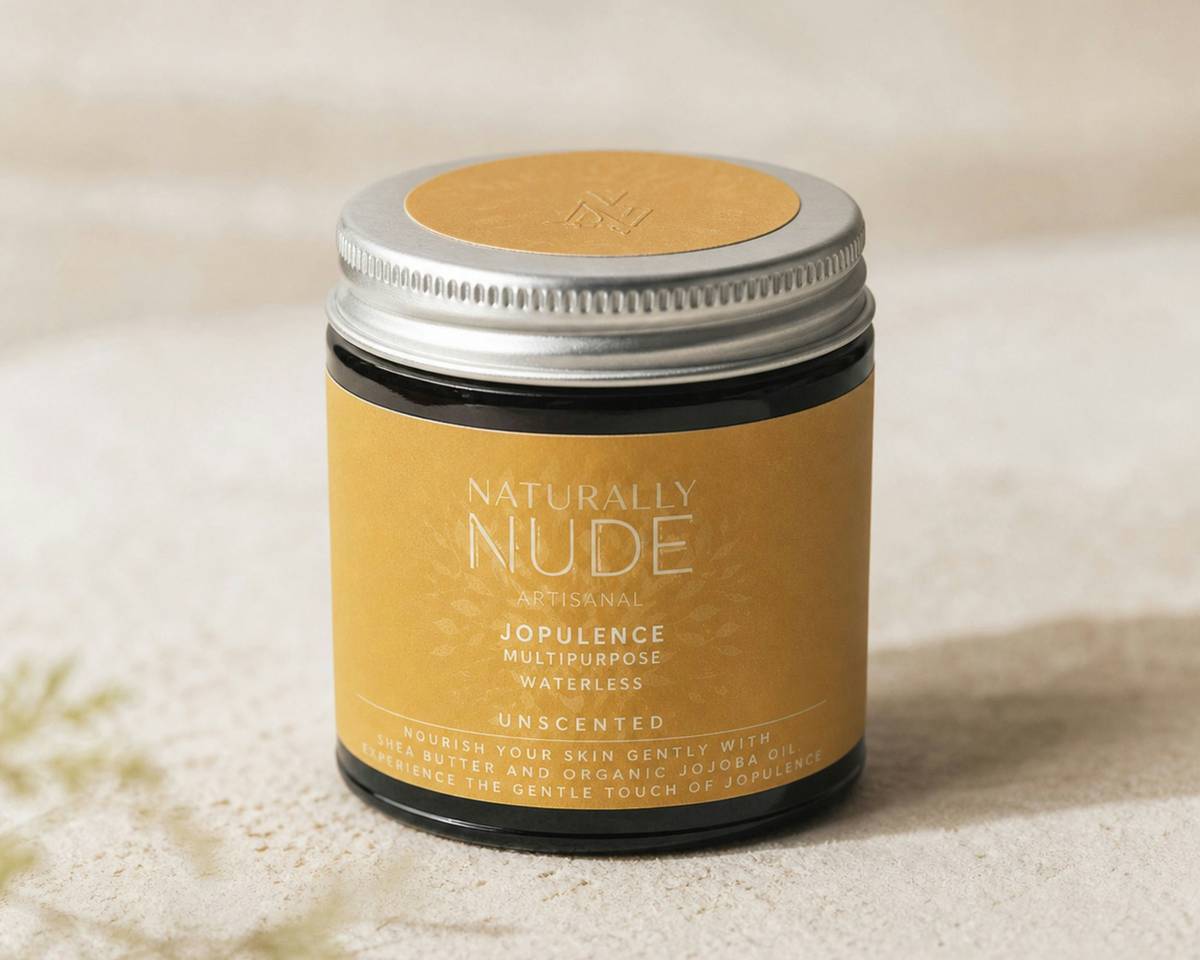
Unlike mineral oil or silicones (which sit *on* the skin), cocoa butter penetrates slightly while forming a breathable protective layer. A 2020 study in the International Journal of Cosmetic Science confirmed that formulations with ≥20% cocoa butter reduced TEWL by 28% after 14 days—making it clinically effective for dry, compromised skin.
How to Use Cocoa Butter for Maximum Hydration (Without Grease Stains)
Let’s be real: nobody wants to look like they wrestled a stick of butter. Here’s how to get dewy—not greasy—results.
Should I apply cocoa butter to wet or dry skin?
Optimist You: “Apply to damp skin right after showering! Water + occlusive = hydration sandwich.”
Grumpy You: “Ugh, fine—but only if coffee’s involved… and I’ve got five extra minutes.”
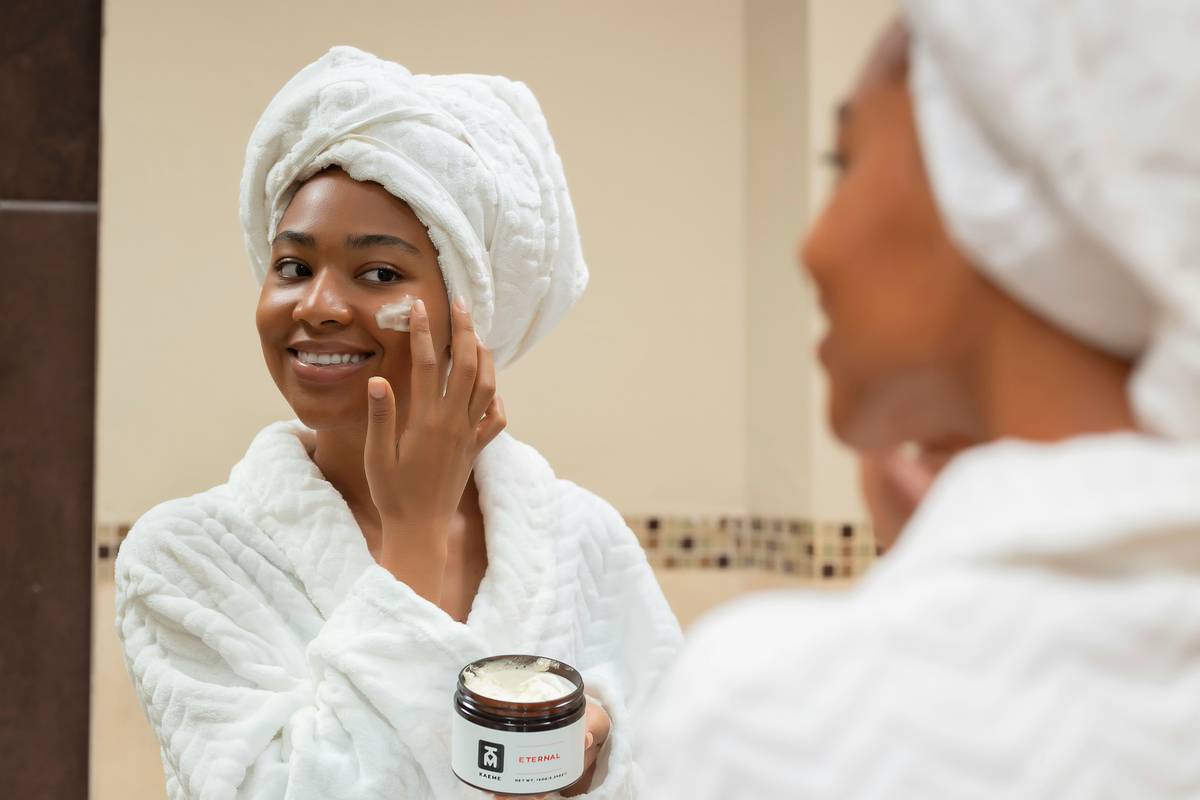
Truth? Damp skin is non-negotiable. Water trapped beneath cocoa butter gets absorbed rather than evaporating. Pat skin dry, then massage in your body butter within 3 minutes. Bonus: warm skin boosts absorption.
Can I use pure cocoa butter straight from the jar?
Yes—if it’s unrefined. Refined versions are stripped of scent and nutrients during processing. Look for “raw,” “cold-pressed,” or “unrefined” on the label. Texture should be firm at room temp but melt on contact with skin.
How often should I use it?
For severe dryness: daily for 2 weeks. For maintenance: 2–3x/week. Focus on high-friction zones (elbows, knees, heels)—but don’t skip your décolletage. That delicate skin shows aging first.
5 Best Practices for Choosing & Storing Cocoa Butter Products
- Avoid “fragrance” traps: If “parfum” or “fragrance” is high on the ingredient list, it likely contains zero real cocoa butter. Check for Theobroma cacao seed butter in the top 3 ingredients.
- Go unrefined: Unrefined cocoa butter retains its natural chocolatey aroma and higher antioxidant levels. Refined versions smell neutral but lose efficacy.
- Store it cool & dark: Heat and light degrade fatty acids. Keep your tub in a bathroom cabinet—not next to the shower steam.
- Blend for spreadability: Pure cocoa butter can be thick. Mix with a few drops of jojoba or almond oil for easier application.
- Check for certifications: USDA Organic, Fair Trade, or ECOCERT labels signal ethical sourcing and minimal processing.
⚠️ Terrible Tip Alert: “Just rub cocoa butter on cracked heels overnight and wrap in plastic!” Nope. Occlusion without prior exfoliation traps dead cells, worsening texture. Exfoliate gently first—then seal in moisture.
Real Results: My 30-Day Cocoa Butter Body Butter Challenge
Last winter, I committed to using only an unrefined cocoa butter blend (70% cocoa butter, 20% shea, 10% sweet almond oil) on my legs and arms. No lotions. No serums. Just this.
Day 7: Elbows softened noticeably. Reduced “ashy” appearance.
Day 14: Heel cracks began healing. Skin felt bouncier to the touch.
Day 30: Even my dermatologist commented on the improved texture during my annual check-up.
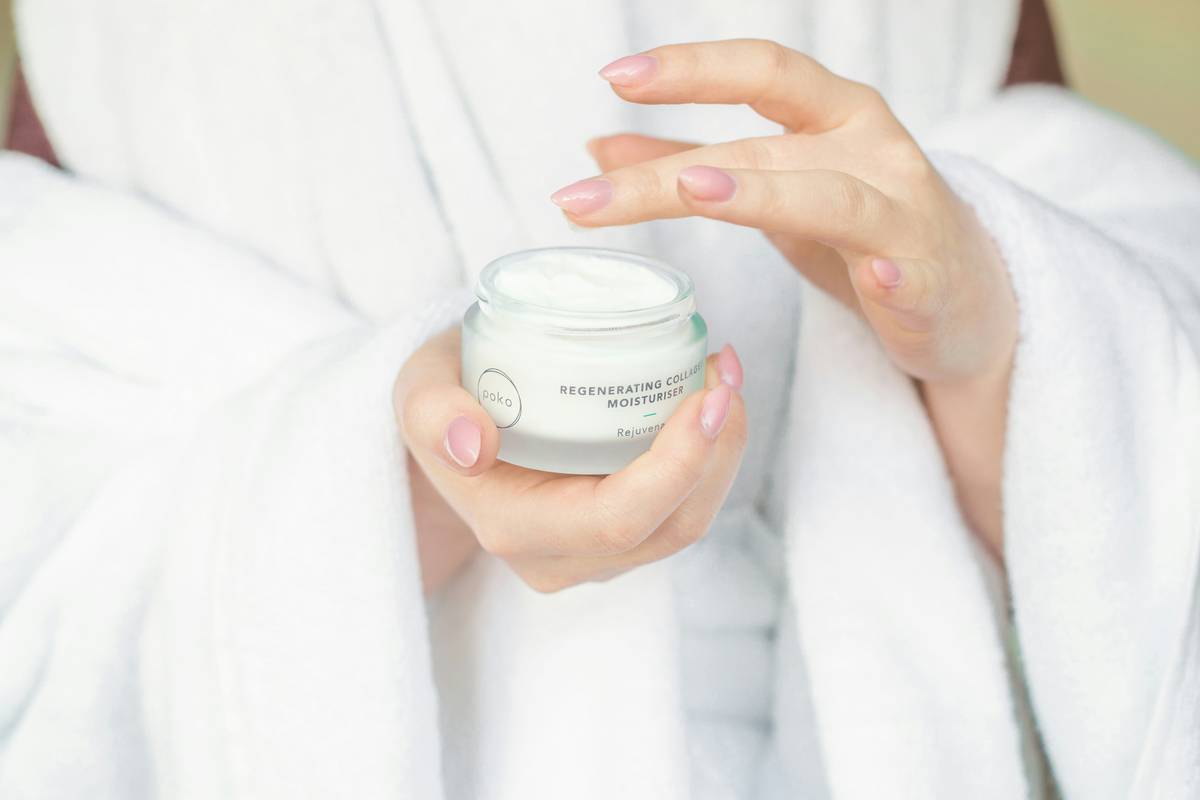
This wasn’t magic—it was consistent barrier support. Unlike humectants (like hyaluronic acid) that pull water into the skin, cocoa butter is an occlusive that prevents loss. For chronically dry types, that’s game-changing.
Cocoa Butter Skincare FAQs—Answered Honestly
Does cocoa butter really reduce stretch marks?
It won’t erase them—but regular use during pregnancy may improve elasticity and minimize severity. A 2019 review in Obstetrics & Gynecology found that consistent moisturizing (with any emollient) reduced stretch mark incidence by 20%. Cocoa butter’s fatty acids support collagen structure, but genetics play a bigger role.
Is cocoa butter comedogenic?
It rates 4/5 on the comedogenic scale—so avoid it on acne-prone faces. However, body skin has fewer sebaceous glands, making breakouts rare below the neck. Patch-test first if you’re sensitive.
Can I make my own cocoa butter body butter?
Absolutely! Melt 1 cup raw cocoa butter + ½ cup coconut oil + ¼ cup jojoba oil. Whip as it cools. Add vitamin E oil (1 tsp) as a natural preservative. Store in a glass jar for up to 6 months.
Why does my cocoa butter smell “off”?
Rancidity! Cocoa butter has a shelf life of 2–5 years, but heat speeds oxidation. If it smells sour or waxy (not chocolatey), toss it. Your skin deserves fresh fats.
Conclusion
Cocoa butter skincare isn’t a viral fad—it’s ancestral wisdom backed by modern science. When chosen wisely (unrefined, high-concentration) and applied correctly (to damp skin, consistently), it delivers deep, lasting hydration that commercial lotions can’t match. Whether you’re battling winter itch, post-pregnancy changes, or just want silkier limbs, this humble butter deserves a permanent spot in your routine.
Now go rescue that tub from your back shelf. Your elbows will thank you.
Like a Tamagotchi, your skin barrier needs daily care—or it dies a sad, flaky death.
smooth as melted chocolate
knees stop whispering "sandpaper"
winter skin, healed