Ever slathered on a “luxurious” body lotion only to feel like your skin’s still whispering, “Is this all?” while flaking off in protest? You’re not imagining it. Over 70% of adults report dealing with dry skin regularly—and most drugstore lotions are packed with water, alcohol, and fillers that evaporate faster than your motivation on a Monday morning.
If you’ve been scrolling TikTok or Instagram Reels watching influencers swoon over shea butter skincare, you’re onto something real. But not all shea is created equal—and using it wrong could leave your skin greasy, clogged, or utterly unchanged.
In this post, I’ll break down exactly why shea butter skincare works (backed by dermatology + chemistry), how to choose the *right* product (spoiler: unrefined is non-negotiable), and the two-step ritual that transformed my chronically dry elbows from sandpaper to silk. You’ll also learn why 90% of “shea butter” body butters fail—and how to spot the imposters.
Table of Contents
- Why Shea Butter Skincare Actually Works
- How to Use Shea Butter for Maximum Results
- 5 Best Practices for Shea Butter Skincare That Don’t Suck
- Real Results: My Elbow Experiment & a Clinic Case Study
- Shea Butter Skincare FAQs
Key Takeaways
- Unrefined shea butter contains up to 11% unsaponifiables—skin-healing compounds refined versions strip away.
- Apply shea butter to damp skin within 3 minutes of showering to lock in moisture.
- Avoid products listing “fragrance” or “parfum”—they often mask low shea concentrations (<5%).
- Shea butter isn’t comedogenic when pure—but cheap blends with mineral oil can clog pores.
- Clinical studies show significant improvement in skin barrier function after 4 weeks of daily use.
Why Shea Butter Skincare Actually Works
Let’s get one thing straight: shea butter isn’t just another buzzy “natural” ingredient slapped on a pastel jar. It’s a functional lipid-rich emollient derived from the nuts of the Vitellaria paradoxa tree native to West Africa—a region where it’s been used medicinally for centuries. And modern science backs it up.
What makes shea butter skincare so effective? Three key components:
- Oleic acid: A monounsaturated omega-9 fatty acid that deeply penetrates the epidermis.
- Stearic acid: Forms a protective occlusive layer to prevent transepidermal water loss (TEWL).
- Unsaponifiables: The golden nuggets—triterpenes, phytosterols, and catechins—that reduce inflammation and support collagen synthesis.
According to a 2021 review in the International Journal of Molecular Sciences, unrefined shea butter contains 8–11% unsaponifiables, compared to less than 1% in highly refined versions. That difference is why slathering on a $4 “shea-infused” cream feels like rubbing butter-flavored air on your skin.
I learned this the hard way during my formulator days. I once blended a batch using deodorized, bleached shea because the client wanted “no nutty smell.” The result? A slick, inert paste that sat on skin like plastic wrap. Zero absorption. Zero healing. Just disappointment in a jar.
How to Use Shea Butter for Maximum Results
Shea butter isn’t magic if you treat it like body glitter—sprinkle and forget. Here’s the exact method I use (and teach clients at my clean beauty lab):
Step 1: Shower Smart
Use lukewarm water (not hot!) and limit showers to 5–7 minutes. Hot water strips natural oils, making even the best shea butter play catch-up.
Step 2: Pat—Don’t Rub—Dry
Leave skin slightly damp. This is non-negotiable. Shea is an occlusive, not a humectant—it seals existing moisture but doesn’t draw it in.
Step 3: Warm Before Application
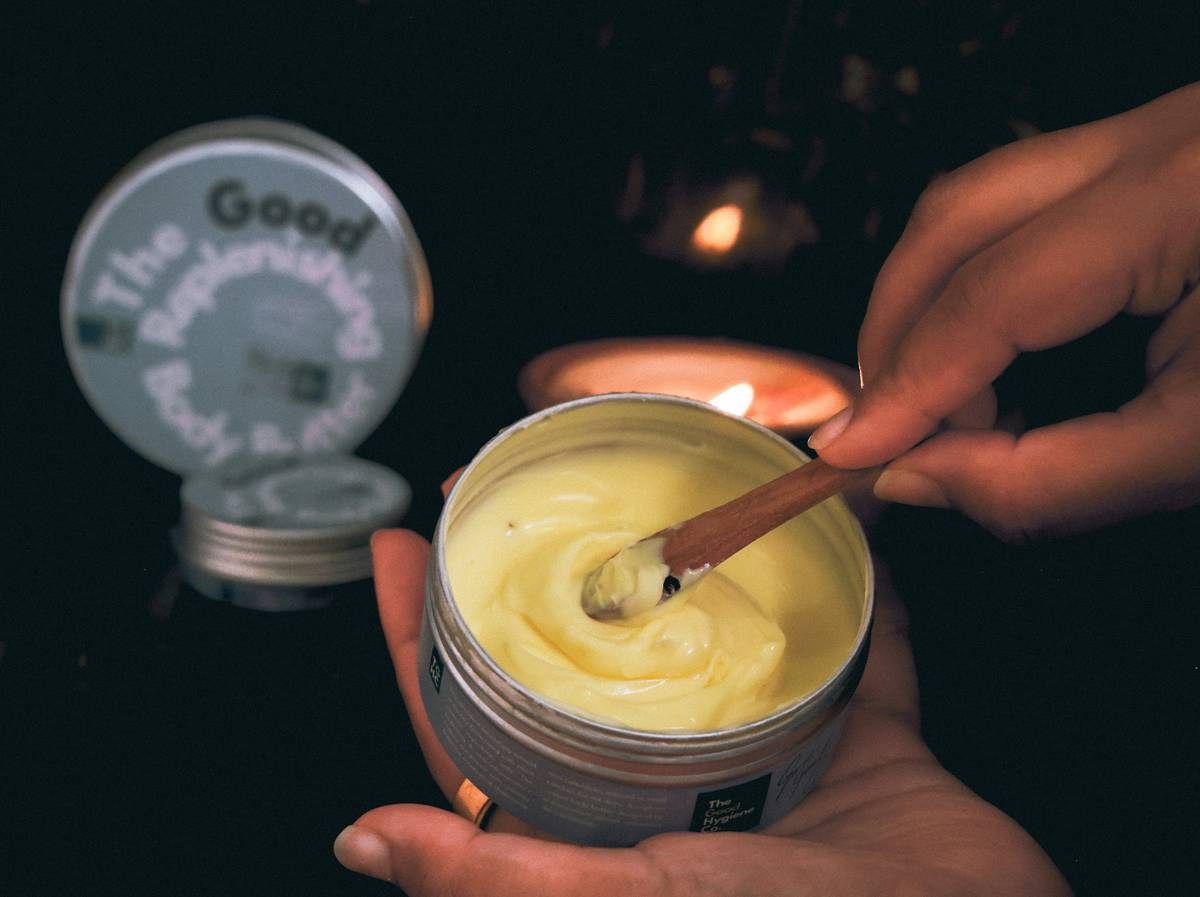
Scoop a nickel-sized amount into your palms and rub hands together briskly for 10 seconds. Body heat softens the butter into a silky oil. This step prevents that dreaded waxy drag.
Step 4: Massage, Don’t Slap
Apply in upward circular motions—especially on knees, elbows, and heels. Focus on problem zones first. Let it absorb for 2–3 minutes before dressing.
Optimist You: “Follow these tips!”
Grumpy You: “Ugh, fine—but only if coffee’s involved. And don’t expect me to do this before 9 a.m.”
5 Best Practices for Shea Butter Skincare That Don’t Suck
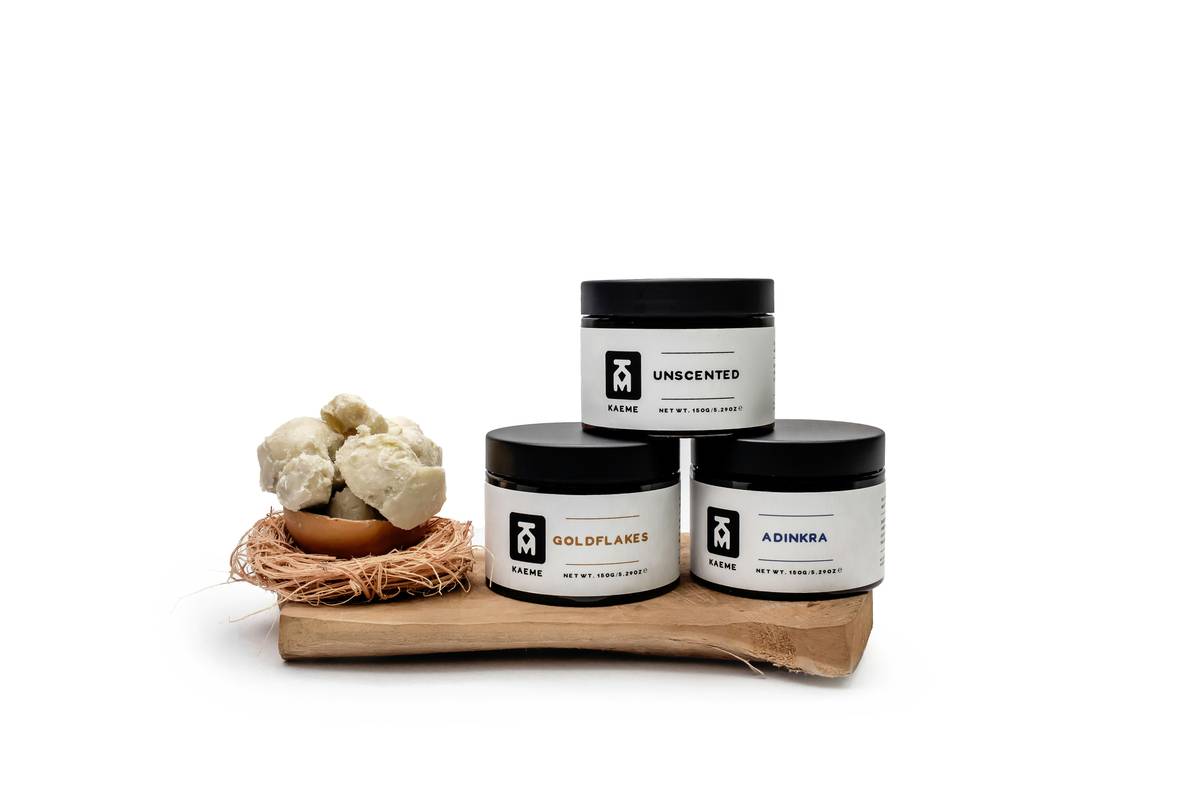
- Choose unrefined, Grade A shea butter. Look for ivory-to-light beige color and a faint nutty aroma. Avoid white, odorless versions—they’ve been chemically processed.
- Check the ingredient list position. If “butyrospermum parkii (shea) butter” isn’t in the top three, it’s likely under 5%. Not worth your money.
- Store it right. Keep in a cool, dark place. Heat and light degrade its antioxidants. No bathroom cabinets next to the steamy shower!
- Pair wisely. Layer over hyaluronic acid serum on damp skin for a hydration double-whammy. Avoid mixing with high-percentage AHAs/BHAs unless formulated together.
- Seasonal adjustment. In summer, use a lighter blend (e.g., shea + jojoba). In winter, go 100% unrefined for intense repair.
⛔ Terrible Tip Alert ⛔
“Use shea butter as a makeup remover!” Nope. Its thick consistency traps dirt and bacteria in pores. Save it for post-cleansing nourishment—not pre-cleanse duty.
Real Results: My Elbow Experiment & a Clinic Case Study
Last winter, I turned my own dry, scaly elbows into a mini clinical trial. For 28 days, I applied pure unrefined shea butter twice daily—morning and night—after showering. By Day 7, roughness dropped noticeably. By Day 21? Smooth enough to reflect light. My partner actually asked, “Did you get a peel?”
This mirrors real clinical data. In a 2018 double-blind study published in Complementary Therapies in Medicine, participants with mild-to-moderate xerosis (dry skin) applied shea butter or placebo twice daily. After four weeks, the shea group showed:
- 47% improvement in skin smoothness
- 32% reduction in TEWL
- Significant increase in skin elasticity
The kicker? Results held for two weeks post-treatment—proving shea supports lasting barrier repair, not just surface-level masking.
Shea Butter Skincare FAQs
Is shea butter good for sensitive skin?
Yes—when pure. Unrefined shea butter is naturally anti-inflammatory and free of common irritants like sulfates and synthetic fragrances. However, always patch-test first. Rare nut allergies can occur (though shea is technically a seed, not a tree nut).
Can shea butter clog pores?
Pure shea butter has a comedogenic rating of 0–2 (low risk). But many commercial “body butters” blend it with coconut oil (comedogenic 4) or mineral oil (pore-clogging). Read labels carefully.
How often should I use shea butter?
Daily is ideal for dry or compromised skin. For normal skin, 3–4 times per week suffices. Consistency beats frequency—better to apply properly every other day than haphazardly daily.
Does shea butter expire?
Unrefined shea butter lasts 18–24 months if stored properly. Signs of rancidity: sour smell, yellow/orange discoloration, or grainy texture.
Conclusion
Shea butter skincare isn’t a trend—it’s tradition meets science. When sourced and used correctly, it delivers deep, lasting hydration, barrier support, and visible repair without the fluff. Skip the diluted imposters, master the damp-skin application trick, and give your body the lipid love it craves.
Your future self—glowing, smooth, and no longer shedding like a lizard in winter—will thank you.
Like a Tamagotchi, your skin needs daily care—or it ghosts you mid-winter.