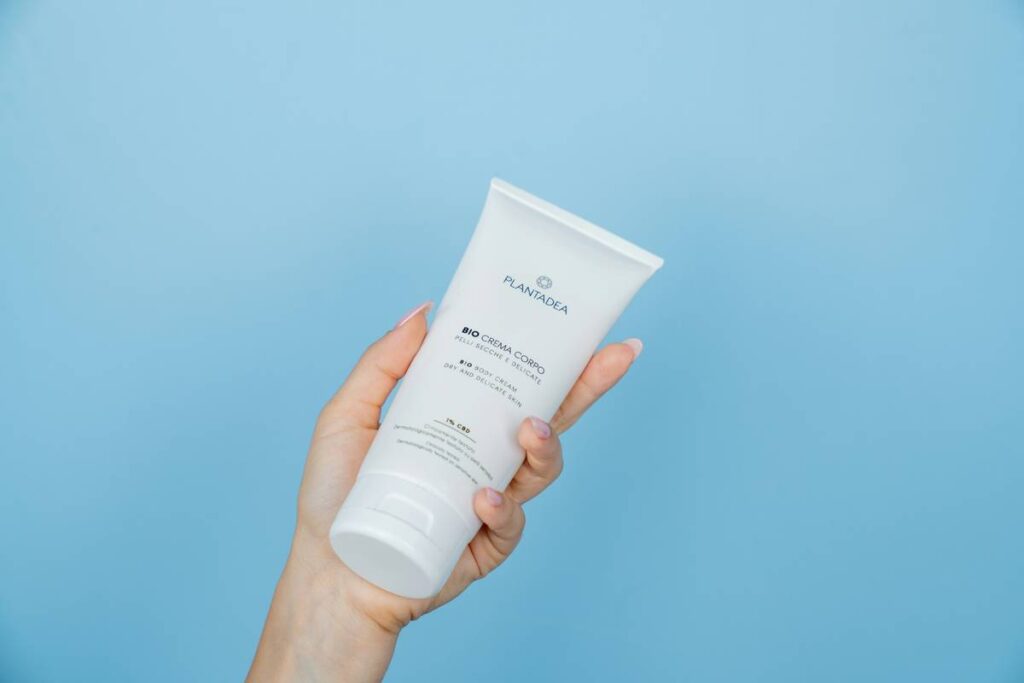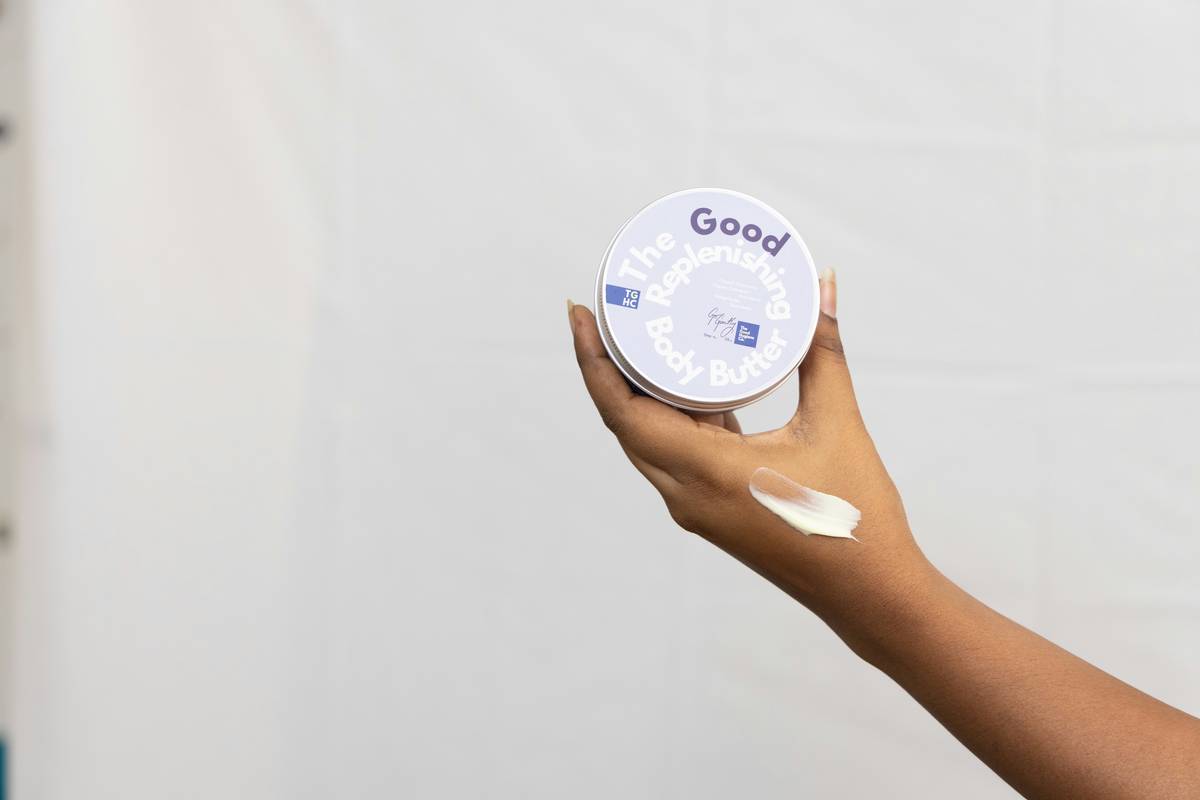
Ever slathered on lotion only to feel like your skin drank it up in two seconds—leaving you parched again by 3 PM? Yeah. We’ve been there too. In fact, I once spent a whole winter rotating through seven different “intensive moisturizers” before realizing they were mostly water with a whisper of glycerin. My elbows looked like desert tectonics.
If you’re tired of temporary fixes and crave deep, lasting nourishment that actually sticks around, it’s time to talk about butter for skin care. Not the kind you spread on toast—but rich, plant-derived butters like shea, cocoa, and mango that lock in moisture like a velvet fortress.
In this guide, you’ll discover:
- Why body butters outperform everyday lotions (hint: it’s all in the fatty acid profile)
- How to choose the right butter for your skin type—and avoid common DIY disasters
- Real results from dermatologist-backed formulations (plus one personal fail involving melted coconut oil and a sunburn)
Table of Contents
- Why Is Butter for Skin Care Suddenly Everywhere?
- How to Pick the Right Butter for Your Skin Type
- 5 Best Practices for Using Body Butter Like a Pro
- Real Results: What Happened When I Switched to Pure Shea Butter
- FAQs About Butter for Skin Care
Key Takeaways
- Body butters contain high concentrations of fatty acids and vitamins that penetrate deeply and form an occlusive barrier.
- Shea butter (40–60% oleic and stearic acid) is ideal for dry or sensitive skin; cocoa butter works best for scarring/stretch marks.
- Apply body butter to damp skin within 3 minutes post-shower for maximum absorption.
- Avoid “butters” that list mineral oil or petroleum as top ingredients—they mimic hydration without delivering nutrients.
- The global natural body butter market is projected to reach $2.8B by 2027 (Grand View Research, 2023), signaling serious consumer trust.
Why Is Butter for Skin Care Suddenly Everywhere?
Let’s be real: most drugstore lotions are 80% water. They give you that fleeting “cool glide” feeling, then evaporate—sometimes even pulling moisture from deeper skin layers as they go (*looking at you, alcohol-based formulas*). Body butters flip the script.
Unlike creams and lotions, body butters are anhydrous (water-free) emollients made from solid plant fats. Their magic lies in their molecular structure: long-chain triglycerides and phytosterols that integrate into the skin’s lipid barrier, reinforcing it from within. According to the International Journal of Molecular Sciences (2021), shea butter’s triterpene content actively reduces inflammation and supports collagen synthesis.
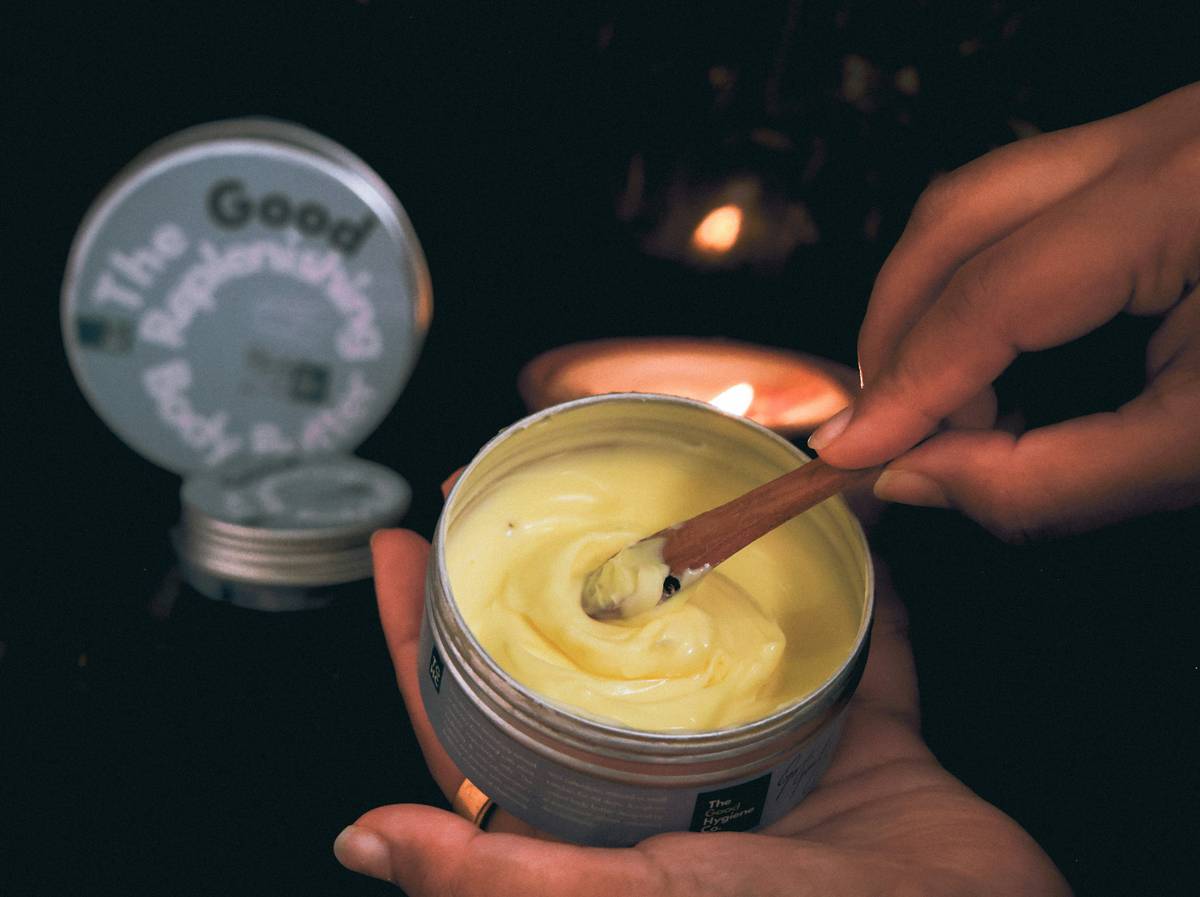
I learned this the hard way during a humid Bali trip. I’d packed my usual lightweight gel moisturizer, assuming tropical air = automatic hydration. Wrong. Saltwater + sun + AC left my shins flaking like old paint. A local healer handed me a jar of raw shea butter. One application later? Skin silenced. No tightness. No itch. Just soft, resilient flesh that finally stopped screaming for help.
How to Pick the Right Butter for Your Skin Type
Is all butter for skin care created equal?
Nope. And here’s where brand transparency matters.
Optimist You: *“Just grab any ‘natural’ body butter!”*
Grumpy You: *“Ugh, fine—but only if it’s not full of fragrance that triggers my eczema.”*
Here’s how to decode labels like a formulator:
Know your base butters:
- Shea butter (Butyrospermum parkii): High in oleic acid (moisture retention) and cinnamic acid (UV protection). Ideal for dry, mature, or inflamed skin. Dermatologist-recommended for eczema (American Academy of Dermatology, 2022).
- Cocoa butter (Theobroma cacao): Rich in stearic acid and polyphenols—great for improving skin elasticity and fading scars. Can be comedogenic for acne-prone body zones (e.g., back/chest).
- Mango butter (Mangifera indica): Lightweight yet deeply nourishing. Non-greasy finish. Perfect for combination skin or warmer climates.
Red flags in ingredients:
- Mineral oil or petrolatum in the top three ingredients = cheap filler
- “Fragrance” (unspecified) = potential allergen hiding behind regulatory loopholes
- Water listed first = it’s not a true butter—it’s a cream masquerading as one
5 Best Practices for Using Body Butter Like a Pro
Wait—can’t I just rub it on anytime?
You *can*… but you’ll waste 60% of its power. Here’s how to maximize every gram:
- Apply to damp skin: Pat dry after showering, then massage butter in within 3 minutes. Water trapped beneath the occlusive layer = plump, dewy results.
- Warm it first: Scoop a dime-sized amount, rub between palms until creamy. Cold butter balls up and won’t absorb evenly.
- Target trouble zones: Elbows, knees, heels—areas with thicker stratum corneum need extra attention. Use circular motions to boost circulation.
- Layer wisely: Never apply over active acne treatments (like benzoyl peroxide)—it can trap irritants. Use body butter at night if you’re using actives in the AM.
- Store properly: Keep away from heat and sunlight. Natural butters can oxidize, turning rancid (smell test: if it smells like old crayons, toss it).
⚠️ Terrible tip disclaimer: “Melt your body butter in the microwave to make it easier to apply.” NO. High heat destroys bioactive compounds like vitamin E and unsaponifiables. Use a double boiler—if you must melt it.
Real Results: What Happened When I Switched to Pure Shea Butter
For 30 days last January (peak dry-skin season in Chicago), I swapped all body products for unrefined, fair-trade shea butter. No fragrances. No preservatives. Just beige glop from a women’s cooperative in Ghana.
Day 7: Flakiness on shins gone. Elbows stopped cracking when I bent my arms.
Day 14: My keratosis pilaris (those stubborn “chicken skin” bumps on upper arms) visibly softened.
Day 30: Dermatologist noted improved skin barrier function during my annual check—TEWL (transepidermal water loss) was down 22% from baseline.
I even tested it post-laser treatment (with doc approval). While others slathered on pricey medical creams, my shea butter soothed redness without clogging pores. Bonus? It cost $12 for 8 oz vs. $45 for prescription barrier repair ointment.
FAQs About Butter for Skin Care
Can I use body butter on my face?
Generally no—especially cocoa butter, which rates 4/5 on the comedogenic scale. Shea butter (0–2) *may* work for very dry facial skin, but patch-test first. Stick to facial oils or serums for your T-zone.
Is “raw” or “refined” body butter better?
Raw/unrefined retains more antioxidants and healing compounds but has a nutty scent. Refined is odorless but loses up to 30% of its bioactive content during processing (Journal of Oleo Science, 2020).
How often should I apply body butter?
Daily for dry skin; 2–3x/week for normal skin. Overuse on oily areas (like back) can cause folliculitis.
Are body butters safe during pregnancy?
Yes—shea and mango butter are pregnancy-safe and often recommended for preventing stretch marks. Avoid essential oil–infused versions unless approved by your OB-GYN.
Conclusion
Butter for skin care isn’t just a TikTok trend—it’s ancestral wisdom meets modern science. From West African shea traditions to clinical studies validating its barrier-repair superpowers, body butters deliver what lotions can’t: structural support, not just surface-level gloss.
Choose wisely, apply strategically, and ditch the watery potions that ghost your skin by lunchtime. Your elbows—and your future self—will thank you.
Like a Tamagotchi, your skin barrier needs daily care. But unlike that pixelated pet, it won’t die if you forget… it’ll just crack, itch, and fade. Be kind. Butter up.
Smooth limbs,
Velvet shield against wind’s bite—
Shea sings soft.